From Chaotic Weekends to Calm Connection: How Video Calls Gave My Family Back Its Rhythm
Remember those weekends when you’re physically home but mentally lost in work emails or family demands? I did—until I stopped fighting technology and started using it differently. Video calling wasn’t just for grandma’s birthday anymore. It became our weekend anchor: a simple tool that brought calm, clarity, and real connection. What if just 15 minutes of intentional face time could reduce stress, align schedules, and actually make you more focused—not less?
The Weekend That Broke Me (And Woke Me Up)
It was a Saturday morning, and I was standing in the kitchen, coffee in one hand, phone in the other. My daughter tugged at my sleeve, showing me a half-finished drawing. “Can you help me color the sky, Mom?” she asked. I smiled and said, “In a minute, sweetie,” while tapping out a quick reply to my boss about a deadline. At the same time, my partner walked in holding a grocery list. “Should we get the organic apples or the regular ones?” he asked. I waved him off. “Whatever’s cheaper,” I mumbled, eyes still on the screen.
Then the phone rang again. It was my mom. I saw her name flash and felt a pang of guilt. I let it go to voicemail. Again. I told myself I’d call back later, but we both knew “later” rarely came. That night, after the kids were in bed and the dishes were done, I sat on the couch, exhausted. Not from physical work—from emotional overload. I hadn’t finished my to-do list, I’d ignored my family, and I’d missed my mom’s call—again. I wasn’t recharging. I was running on empty.
That weekend wasn’t unique. It was the pattern. I’d been trying to do it all—be the present mom, the reliable employee, the thoughtful daughter, the supportive partner—and failing at all of it. The truth hit me like a cold splash: I wasn’t lacking time. I was lacking rhythm. My weekends weren’t sacred spaces for rest or connection. They were chaotic catch-up zones where everyone’s needs collided, and I was the overwhelmed traffic controller. I needed a shift—not in how much I did, but in how I connected.
I realized then that technology wasn’t the enemy. It was how I was using it. I’d been treating video calls like chores—something to squeeze in when I had five free minutes, usually while multitasking. But what if I stopped seeing them as interruptions and started using them as anchors? What if, instead of being another demand on my time, they became the thing that grounded me?
Why We’re All Losing the Weekend Balance
We all dream of weekends filled with lazy mornings, long walks, and quality time with loved ones. But for so many of us, reality looks different. The weekend starts with a mountain of laundry, a packed grocery run, and a list of emails we didn’t get to during the week. Work doesn’t stop just because the calendar says Saturday. And family life? It doesn’t pause either. Kids have activities, partners need attention, and parents check in—sometimes just to make sure we’re still alive.
The problem isn’t that we’re lazy or disorganized. It’s that we’re trying to live in two worlds at once. On one side, we’re expected to be “always on” for work. On the other, we’re supposed to be fully present for our families. Without clear boundaries, everything blurs. We end up half-present in every moment—answering emails during dinner, scrolling through messages while helping with homework, missing calls because we’re too busy “being busy.”
And yet, we crave connection more than ever. Especially with family who live far away. We want to know how Mom’s doctor appointment went. We want to see our nephew’s first soccer game. But the irony is, we’re more “connected” than any generation before us—texting, messaging, social media—and yet so many of us feel more emotionally fragmented. We’re in constant contact, but not in real connection.
Video calls often fall into this trap. We think of them as nice-to-have moments, not essential ones. We wait for birthdays or holidays to schedule them. Or worse, we treat them like obligations—something we do out of guilt, not desire. We say, “I should FaceTime my sister,” but then put it off because we’re “too tired” or “too busy.” But what if we flipped the script? What if we stopped seeing video calls as optional extras and started treating them as non-negotiable moments of emotional maintenance?
The Shift: Using Video Calls as Anchors, Not Interruptions
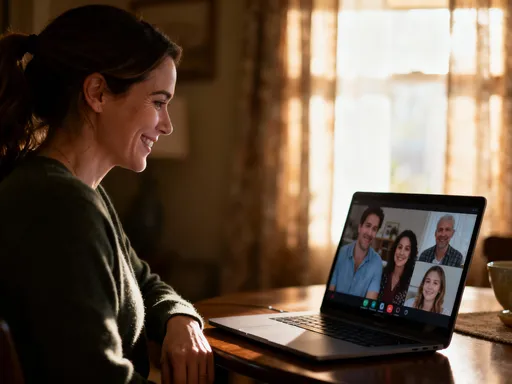
The change started small. Instead of waiting for a crisis or a special occasion, I decided to build one short video call into each weekend—a 10- to 15-minute check-in with someone I cared about. No agenda. No pressure. Just face time. I started with my sister on Saturday mornings. We’d both be sipping coffee, her in Chicago, me in Denver. We didn’t talk about deep stuff every time. Sometimes it was just, “How was your week?” or “Did you try that new recipe?” But seeing her face, hearing her laugh—it did something to my nervous system. I felt calmer. Lighter.
Then I added a Sunday afternoon call with my parents. My mom would be in her kitchen, my dad reading the paper nearby. We’d catch up on family news, and I’d get a mini update on their health, their garden, their church group. These weren’t long conversations, but they were consistent. And consistency, I learned, is what builds emotional safety. When I knew I’d see them soon, I stopped worrying so much between calls. I wasn’t carrying that low-grade anxiety of “Are they okay?” in the back of my mind.
I even started a weekly evening call with my cousin who lives in London. Time zones made it tricky, but we found a 15-minute window that worked. We didn’t talk about world events or politics. We talked about our kids, our hobbies, what we were cooking. Simple things. But those simple things built a rhythm. And something surprising happened: after each call, I didn’t feel drained. I felt more focused. More centered. It was like my brain had been running background apps—worrying about family, replaying missed conversations, feeling guilty—and the video call was the reset button.
I realized I wasn’t losing time by connecting. I was gaining clarity. The calls became my anchors—little moments of stability in an otherwise swirling weekend. Instead of dreading the chaos, I started looking forward to these pauses. They weren’t distractions. They were the thing that made everything else possible.
How Face Time Fuels Focus (Yes, Really)
I know it sounds backwards. Shouldn’t social time take away from productivity? Shouldn’t I be protecting my work hours like a lion guarding her cubs? That’s what I used to think. But the more I leaned into these short video calls, the more I noticed something unexpected: I was getting more done. Not less. My focus improved. My stress levels dropped. I wasn’t jumping between tasks as much. I was actually finishing things.
Turns out, there’s science behind this. Emotional security isn’t a luxury—it’s a cognitive necessity. When our relationships feel stable, our brains don’t have to work overtime managing anxiety or guilt. We’re not constantly asking, “Did I check in on Mom?” or “Is my sister upset with me?” That mental clutter takes up space—real mental real estate. And when that space is occupied, we can’t focus deeply on work, creativity, or even relaxation.
Video calls, especially face-to-face ones, provide something texts and emails can’t: emotional closure. Seeing someone’s face, reading their expressions, hearing the tone in their voice—these are subtle cues that tell our brains, “They’re okay. You’re okay. This relationship is intact.” That sense of connection reduces cortisol, the stress hormone, and increases oxytocin, the bonding chemical. It’s not magic. It’s biology.
I started to see these calls as emotional maintenance—like brushing your teeth or charging your phone. You wouldn’t skip brushing your teeth and expect your mouth to stay healthy. Why would you skip emotional check-ins and expect your mind to stay calm? These 15-minute calls weren’t stealing from my productivity. They were fueling it. By addressing my emotional needs first, I was freeing up mental space for everything else. It wasn’t about working more. It was about working better—because my heart wasn’t busy worrying.
Making It Work: Our Simple Weekend Routine
Now, I’m not saying this happened overnight. It took a few weeks to build the habit. At first, I’d forget. Or I’d be in the middle of something and think, “I don’t have time for this right now.” But I kept at it. And slowly, it became part of our family rhythm. The key? Simplicity. We didn’t need fancy tools or complicated systems. We just needed intention.
We started using a shared family calendar—nothing high-tech. Just Google Calendar, color-coded for different people. Saturday at 9:00 a.m. was “Sister Call” in blue. Sunday at 2:00 p.m. was “Parents” in green. We didn’t treat these like rigid appointments. More like gentle reminders. “Oh, it’s 2:00. Time to check in with Grandma and Grandpa.” No pressure. No guilt if we missed it—just a soft nudge to reconnect.
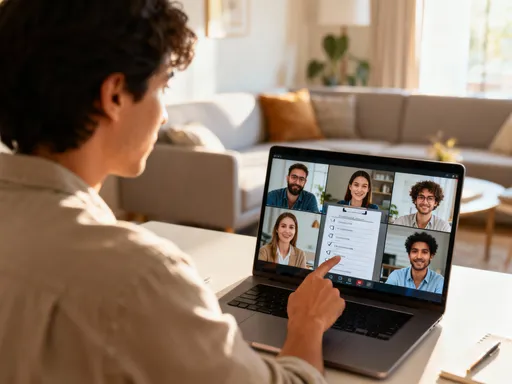
We stuck with tools we already knew. FaceTime for one-on-ones. Zoom for group calls when more people wanted to join. No downloads, no new passwords, no learning curve. The rule? When the call starts, the phone goes down. No multitasking. No checking emails. Just presence. We’d sit on the couch, or stand in the kitchen, and just be there. Sometimes the kids would run in and wave. Sometimes my mom would show me a new plant she bought. It didn’t matter. The point wasn’t perfection. It was connection.
And because we were consistent, the people on the other end started to expect it too. My sister would save little updates for our call. My dad would say, “I’ve been waiting to tell you this all week.” That shift—from obligation to anticipation—was everything. These calls stopped being something I had to do and became something I wanted to do. A pause. A breath. A moment of real contact in a world full of noise.
Beyond the Call: Unexpected Gifts of Consistent Connection
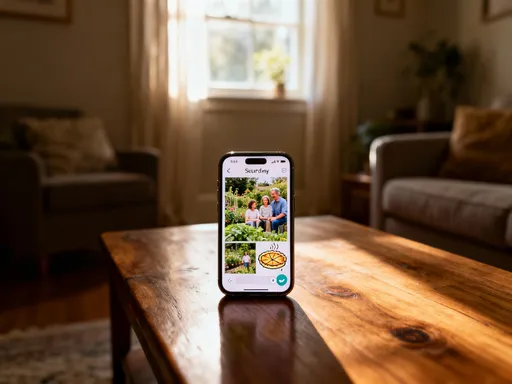
The benefits went way beyond focus and calm. Some of the most beautiful moments happened in the quiet spaces between the words. One Sunday, my mom was on the call, and she said, “I made that apple pie you love last night. Want me to walk you through it?” I grabbed a notebook, and for 10 minutes, she talked me through each step—how to mix the filling, when to crimp the crust. I didn’t bake it that day, but I felt like we were in the kitchen together. It wasn’t just a recipe. It was a memory in the making.
Another time, my niece was on the call, holding up her school project—a diorama of a rainforest. She turned the camera slowly, pointing out the tiny animals she’d glued in place. “This is the jaguar,” she said proudly. “And this is the tree frog.” I could see the concentration on her face, the joy in her voice. In that moment, she wasn’t a distant relative I saw twice a year. She was right there with me. And I was with her.
These moments built what I now think of as our “emotional bank account.” Small deposits of attention, care, and presence that added up over time. And when real challenges came—my dad’s minor surgery, my cousin’s job loss, my own burnout—we didn’t have to start from scratch. We already had trust. We already had rhythm. The connection was there, ready to hold us.
It wasn’t about solving problems during the calls. It was about building the foundation so that when problems did arise, we could face them together. The weekend video calls didn’t just help me manage my time. They deepened my relationships in quiet, lasting ways. They reminded me that love isn’t always in the big gestures. Sometimes, it’s in the 15-minute check-in on a Sunday afternoon.
Reclaiming Your Weekends—Without Giving Up Work or Family
You don’t need more hours in the day. You need better rhythms. That’s the lesson I learned. I used to think the solution was to work faster, do more, sleep less. But the real breakthrough came when I stopped trying to fit everything in and started creating space for what mattered most.
By using video calls intentionally—not as distractions, but as anchors—I turned my weekends from chaotic catch-up zones into moments of calm and connection. I didn’t have to choose between being a good employee and a present mom. I didn’t have to neglect my parents to meet my deadlines. I just needed a small, consistent practice that honored both.
This isn’t about being on video all the time. It’s about being present in the moments that count. It’s about using technology not to distract us, but to deepen our relationships. When your heart feels settled, your mind can work freely. When you know your loved ones are seen and heard, you can focus on your work without guilt. And when you’re not constantly worried about dropping the ball, you actually enjoy your time off.
So here’s my invitation to you: pick one person. Just one. And schedule one 15-minute video call this weekend. No agenda. No pressure. Just face time. See how it feels. Notice what happens in your body, in your mind, in your heart. You might be surprised at how such a small thing can make such a big difference. Because this isn’t tech for tech’s sake. It’s tech that serves life—helping you feel more present, more peaceful, and yes, even more productive—without losing what matters most.