It’s Not Just Surveillance: How Home Monitoring Gave Me Back Peaceful Nights
Sleep used to be something I feared—every creak in the house kept me awake, worried about my family’s safety. I’d check locks three times, tiptoe into my kids’ rooms, and still lie there, restless. Then I tried a simple home monitoring system, not for alarms or alerts, but for reassurance. It didn’t just watch my home—it changed how I sleep. Now, I close my eyes knowing everything’s okay. This is how it quietly transformed my nights and gave me something priceless: peace.
The Nighttime Anxiety No One Talks About
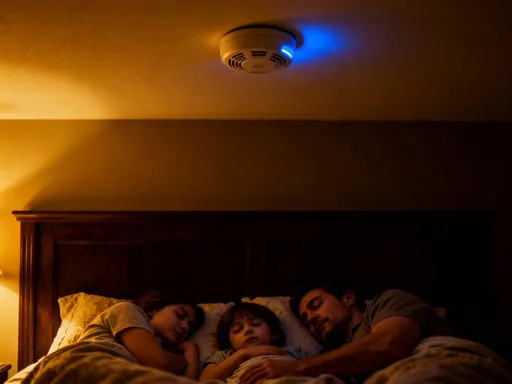
Have you ever laid in bed, perfectly still, yet completely on edge? The house settles with a soft pop from the floorboards, and your heart jumps. Was that just the house breathing—or something more? For years, I lived inside that question. As a mom of two, my brain didn’t shut off when the lights went out. My husband would fall asleep mid-sentence, but I’d stay awake, mentally ticking through every safety check: Did I lock the back door? Is the garage closed? Are the kids breathing okay? I wasn’t paranoid—I just cared too much. And that care, that deep, fierce love for my family, became its own kind of burden.
I didn’t realize how much this nightly anxiety was draining me until I started noticing the ripple effects. I was tired all the time. My patience wore thin by mid-morning. I’d snap at my kids over spilled milk, then feel guilty for hours. Even my skin looked dull, like my body was too busy staying alert to bother with rest and repair. The irony? I was trying to protect my family, but my constant worry was making me less present, less patient, less like myself. I wasn’t just losing sleep—I was losing pieces of my life, one restless night at a time.
And I know I’m not alone. So many women I talk to—moms, caregivers, homeowners—confess the same silent struggle. We don’t talk about it much because it sounds irrational. Who admits they lie awake listening for intruders when the neighborhood is quiet and safe? But the fear isn’t always about danger. It’s about uncertainty. It’s the weight of responsibility. It’s the thought: What if something happens and I don’t know? That “what if” is exhausting. It keeps us from truly resting, even when everything is fine. I began to understand that safety isn’t just about locks and alarms. It’s about feeling safe inside your own home—and in your own mind.
How a Simple Camera Became a Sleep Ritual
It started with a casual conversation. My friend Sarah mentioned she’d installed a small camera in her hallway. My first thought? Isn’t that a little much? I pictured something out of a spy movie—red blinking lights, grainy black-and-white footage, constant beeping. But she explained it wasn’t about catching criminals. It was about peace. “I check the app before I turn off the light,” she said. “And if I hear a noise, I don’t have to get up. I just glance at my phone. It’s like having eyes without leaving bed.” That idea stuck with me.
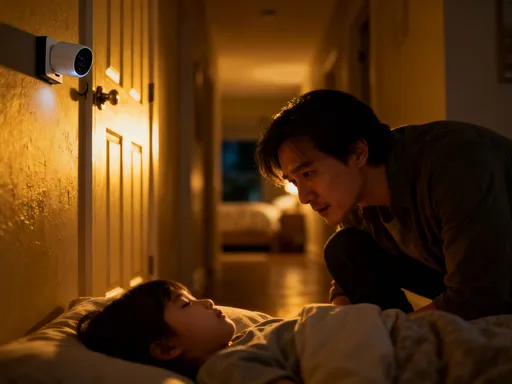
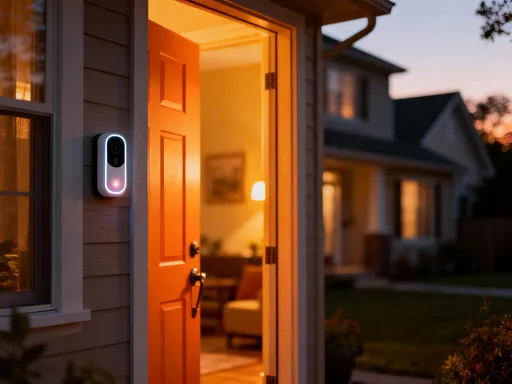
I decided to try just one camera—nothing fancy, nothing overwhelming. I picked a compact, unobtrusive model that connected to an app I could use on my phone. Setting it up took less than 20 minutes. I placed it at the end of the hallway, pointing toward the kids’ rooms. The first night, I felt a little strange. Was I overdoing it? Was this crossing a line? But by the third night, something shifted. I was in bed, and I heard a thud from upstairs. Old me would’ve been up in a flash, heart pounding, imagining a fall or a break-in. New me reached for my phone, opened the app, and saw my son sleepily rolling off his bed, then crawling back under the covers. No drama. No middle-of-the-night panic. Just a kid being a kid.
That moment changed everything. I didn’t have to act. I didn’t have to disturb anyone. I just knew. And knowing was enough. The next few weeks, I started to notice patterns. I stopped making those quiet, anxious rounds through the house. Instead, I developed a new bedtime ritual: brush teeth, kiss the kids goodnight, check the camera feed, turn off the light. That quick glance at the screen—seeing stillness, seeing safety—became my signal to relax. My brain, so used to staying on high alert, began to trust again. It wasn’t magic. It was consistency. And slowly, night after night, I started to fall asleep faster, stay asleep longer, and wake up feeling more like myself.
From Monitoring to Mindset: Rewiring My Nighttime Habits
Here’s what surprised me: the camera didn’t just change what I did—it changed how I thought. At first, I used it as a tool to check on things. But over time, it became part of a deeper shift in my mindset. I wasn’t just monitoring my home; I was learning to let go. Before, my nighttime routine was full of rituals born from anxiety—rechecking the locks, peeking into rooms, listening for every sound. Now, I replaced those with one simple, calming action: opening the app and seeing that all was well.
Psychologists talk about habits having three parts: the cue, the routine, and the reward. My cue was bedtime. My old routine was worry and checking. The reward? Temporary relief, followed by exhaustion. The new routine? One glance at the app. The reward? Real peace. And because it worked—because I saw my kids sleeping safely, because I confirmed the house was secure—my brain started to trust the process. I didn’t need to double-check. I didn’t need to second-guess. The system became my anchor.
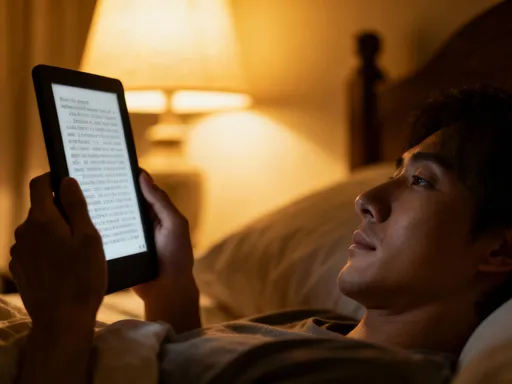
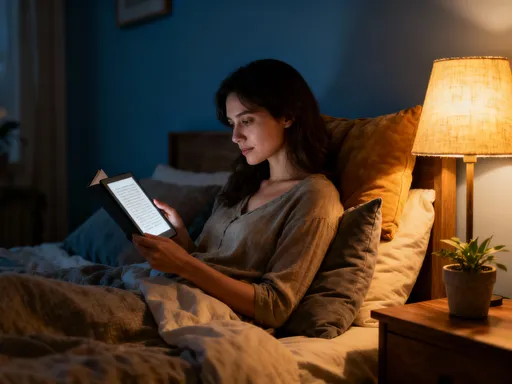
What I didn’t expect was how this small change would ripple into other areas of my life. When I stopped wasting energy on nighttime anxiety, I had more patience during the day. I started going to bed earlier because I wasn’t dreading the silence. I even began reading before sleep instead of scrolling—something I hadn’t done in years. The camera didn’t fix everything, but it created space for better habits to grow. It wasn’t about dependency on technology. It was about using technology to support a healthier, calmer version of myself. And that, I realized, was the real win.
Calm Isn’t Just for Me—It Spread Through the House
Peace is contagious. I didn’t expect that, but it’s true. When I stopped tiptoeing into the kids’ rooms at 2 a.m., they stopped waking up from the noise. When I wasn’t groggy and irritable in the morning, our breakfasts became calmer. We laughed more. We argued less. My daughter started sleeping through the night again—something she hadn’t done since a bad dream months earlier. I realized my anxiety had been affecting them, even when I thought I was hiding it.
One night, my son woke up scared. Instead of rushing in and turning on the lights, I used the two-way talk feature on the camera. “Hey, sweetie,” I whispered through the speaker. “It’s okay. Mommy’s right here. Everything’s safe.” He calmed down and went back to sleep—without me ever leaving my bed. The next morning, he said, “I heard you, Mom. I knew you were watching.” That moment hit me hard. This wasn’t about surveillance. It was about connection. It was about letting my kids feel protected, even when I wasn’t physically in the room.
And it wasn’t just the kids. My husband noticed the change too. “You seem lighter,” he said one morning. “Like you’re actually sleeping.” He wasn’t wrong. When one person in a household finds peace, it lifts everyone. Our home started to feel different—quieter, warmer, more balanced. We weren’t just safer. We were more present. We were more together. That’s when I realized the camera wasn’t just a security device. It was a peace builder. It didn’t intrude on our lives—it protected the ones we love by protecting our rest.
Choosing the Right System Without Overcomplicating Life
If you’re thinking about trying home monitoring, I’ll be honest: not all systems are created equal. I almost gave up after looking at the first few options. Some were too complicated—wires everywhere, apps that crashed, settings that felt like rocket science. Others sent constant alerts: “Motion detected in the backyard!” (It was a squirrel.) “Door opened!” (It was me, five minutes ago.) That kind of noise doesn’t help peace of mind—it adds to the stress.
What worked for me was finding something simple, reliable, and respectful of privacy. I chose a system with clear video, easy app access, and customizable alerts. I can turn off notifications at night so I’m not disturbed by every little thing. The camera has a privacy mode too—I can turn it off when we’re all home and awake, just to respect our space. It’s not always on. It’s there when I need it.
Placement matters. I didn’t put cameras in bedrooms or bathrooms—that would feel invasive, even to me. The hallway, the living room, the front door—those are shared spaces where safety checks make sense. I also made sure the system used encryption and stored footage securely. I didn’t want my family’s moments floating around in some unsecured cloud. And I involved my kids in the conversation. We talked about why the camera was there—not to watch them, but to keep us all safe. They even helped pick the spot for the hallway camera. When technology feels like part of the family, not a stranger in the house, it stops feeling scary.
My advice? Start small. One camera. One room. See how it feels. Don’t overthink it. You don’t need a full security overhaul. You just need one small thing that helps you breathe a little easier at night. And if it doesn’t feel right, you can always adjust—or stop. This isn’t about perfection. It’s about progress.
Building a Sleep-Friendly Tech Environment
Here’s the truth: the camera alone didn’t fix my sleep. It was part of a bigger shift. I started paying attention to other things that affect rest—things I’d ignored for years. I dimmed the lights earlier in the evening. I stopped watching intense shows before bed. I even got a smart thermostat that keeps the house cool at night, which helps me sleep deeper. These small changes, when combined, created what I now think of as my “sleep sanctuary.”
And the monitoring system fits right into that. It’s not the only piece—but it’s a key one. When the room is cool, the lights are low, and I’ve had a quiet evening, that final check of the app becomes the last step in my wind-down routine. It’s like a digital lullaby. It tells my brain: You’ve done everything you can. It’s safe to rest now. I don’t use it to stay connected to the world. I use it to disconnect from worry.
I also started using a smart plug for my bedroom lamp. Now, it turns off automatically at 9:30, which helps me stick to a bedtime. And my phone goes on “do not disturb” mode—except for the camera app. That way, if there’s a real issue, I’ll know. But I’m not getting pinged by emails or social media. I’ve trained my environment to support sleep, not sabotage it. And honestly? It works. I fall asleep faster. I wake up less. And when I do wake up, I don’t spiral into worry. I check the app, see that all is well, and drift back to sleep. It’s not dependency. It’s support. And there’s a big difference.
Peace of Mind as a Daily Practice—Not a Luxury
What started as a simple experiment has become a part of who I am now. I don’t think of the camera as a gadget. I think of it as a quiet ally—one that helps me care for my family without burning myself out. I used to believe peace of mind was something you either had or didn’t. Now I know it’s something you build, day by day, choice by choice. It’s not about eliminating every risk. It’s about managing your response to uncertainty. It’s about giving yourself permission to rest, even when you can’t control everything.
And that’s the real gift this technology gave me. Not just safer nights—but softer mornings. Not just quiet hours—but deeper connection. I’m more patient. I’m more present. I laugh more. I feel like myself again. I’m not just surviving the night. I’m living fully, because I’m finally getting the rest I need.
If you’re lying awake tonight, heart racing at every sound, I want you to know: you don’t have to stay in that cycle. You don’t have to choose between vigilance and exhaustion. There are tools—simple, thoughtful, human-centered tools—that can help you find balance. Home monitoring isn’t about fear. It’s about freedom. Freedom to trust your home. Freedom to close your eyes. Freedom to sleep, knowing you’re not alone in your care.
Peace isn’t a luxury. It’s a necessity. And sometimes, it starts with one small camera, one quiet check, one moment of knowing: Everything is okay. That’s not surveillance. That’s love, quietly watching over the ones you hold dear. And that, more than anything, is what lets me sleep.