More than advice: How online mentors gave me real-world skills I never knew I could gain
Ever felt stuck, like you’re learning in circles but never doing? I was too—until I found online mentorship that didn’t just teach me theory, but helped me build real skills through real projects. It wasn’t magic, just guided experience. Now I tackle challenges with confidence I didn’t have before. This is not about flashy shortcuts—it’s about steady, meaningful growth. And honestly? It changed how I see learning forever.
The Frustration of Learning Without Doing
How many times have you finished a course and thought, “Okay… now what?” I’ve been there—more than once. I remember signing up for a digital design class, excited to finally learn how to create clean, professional-looking graphics for my daughter’s school fundraiser. I watched every video, took notes, even aced the quizzes. But when I opened the software to start designing, my hands froze. I couldn’t remember which tool did what. The layers confused me. I ended up asking a neighbor’s teenage son for help. Again. That moment stung—not because I needed help, but because I thought I’d already learned this.
That wasn’t an isolated experience. I’d done online cooking classes, budgeting webinars, even a short course on basic home repairs. I walked away with certificates, but not confidence. Why? Because I was learning in a vacuum—no real deadlines, no real feedback, no real consequences. It was like practicing driving in an empty parking lot and then being dropped onto a busy highway. I knew the rules, but I wasn’t ready for the reality of it. The gap between knowing and doing felt like a canyon I couldn’t cross.
And I know I’m not alone. So many of us—especially those of us juggling family, work, and personal goals—want to grow, but we hit this wall. We invest time and energy into learning, but when it comes to actually using what we’ve learned, we hesitate. We second-guess ourselves. We wait for the “perfect” moment that never comes. I started wondering: is there another way? Is there a path where learning doesn’t just live in your head, but shows up in your life?
Discovering a Different Kind of Guidance
The answer came when a friend mentioned an online mentorship program she’d joined for writing and communication skills. “It’s not like a class,” she said. “It’s more like having someone walk beside you while you actually do the thing.” That phrase stuck with me—walk beside you. It sounded so different from the impersonal videos and automated quizzes I was used to. I decided to give it a try, not knowing how much it would shift my entire approach to learning.
From the very first session, it felt different. My mentor, a woman named Claire who had spent years in communications and education, didn’t hand me a syllabus or a list of readings. Instead, she asked me: “What’s one thing you’d love to be able to do that you can’t right now?” I thought about it and said, “I want to create simple videos to share with my book club—maybe even post them online someday.” She smiled and said, “Great. Let’s start there.”
The next week, I wasn’t watching a lecture. I was recording a 90-second video on my phone, talking about the last book I read. I sent it to her, and within 24 hours, she sent back feedback—not just on my delivery, but on lighting, audio clarity, and how I structured my message. Then she gave me a tiny challenge: “Next time, try starting with a question to grab attention.” I did. And it worked. People in my book club actually commented, saying they liked how I began.
This was learning with stakes. Real stakes. Not grades, not badges—real reactions from real people. And having someone experienced guide me through it made all the difference. It wasn’t about memorizing steps; it was about doing, adjusting, and growing. I wasn’t just a student. I was becoming a creator.
From Theory to Real-World Application
One of the most powerful shifts was how quickly I started seeing results in my everyday life. Before, I’d learn something abstract—like “good communication is clear and concise”—but I had no idea how to apply it. Now, I was putting ideas into action immediately. When my son’s school asked for volunteers to help organize a virtual parent event, I raised my hand. Not because I felt 100% ready, but because I knew I could figure it out—with a little help.
I worked with Claire to plan the event structure, write the invitation emails, and create a simple slide deck. She didn’t do it for me. She asked questions: “Who is your audience? What do they care about? What’s the one thing you want them to remember?” These weren’t just theoretical—they were practical tools that shaped every decision I made. The night of the event, over 40 parents showed up. The feedback was positive. One mom even said, “I loved how clear the instructions were. I actually knew what to do!”
That moment meant more than any certificate ever could. Because it wasn’t about perfection—it was about impact. I had used what I’d learned to make something happen in the real world. And Claire helped me reflect on it afterward: What worked? What could be better? What did I learn about myself? This cycle of doing, receiving feedback, and reflecting became my new way of growing. It built not just skills, but judgment—the quiet confidence that comes from having lived through the process.
Another example? I helped my sister update her resume. Before, I would’ve just tweaked the formatting. But now, I applied what Claire taught me about storytelling and clarity. I helped her reframe her experience not as a list of jobs, but as a journey with accomplishments. She sent it to a few positions and landed two interviews in a week. She called me, laughing: “Whatever you did, it worked!” It wasn’t magic. It was practice. It was mentorship. It was learning that stuck because it was real.
Building Confidence Through Small Wins
Confidence didn’t come from one big breakthrough. It came from a series of small, quiet victories—each one guided, each one meaningful. The first time I recorded a video without reading from a script. The first time I led a meeting at my PTA group and felt calm, not shaky. The first time I fixed a typo in a document before sending it, instead of apologizing after.
These might sound minor, but they weren’t. Each one was a signal that I was growing. And Claire made sure I noticed them. She didn’t just correct me—she celebrated my progress. “You’re getting faster,” she’d say. “You’re thinking ahead now.” Or, “Remember three months ago when this would’ve stressed you out? Look at you now.” Those words did something powerful. They helped me see myself differently—not as someone who was “bad at tech” or “not good with words,” but as someone who was learning, improving, and capable.
One week, I struggled with editing a short video. The audio kept cutting out, and I couldn’t figure out why. I almost gave up. I messaged Claire, ready to admit defeat. Instead of giving me the answer, she asked, “What have you tried so far?” I listed my attempts. Then she said, “Okay, what if we look at the export settings together?” We did. And we found the issue. But more importantly, I learned how to troubleshoot. I didn’t just fix that one video—I learned how to solve similar problems in the future.
That’s the kind of confidence that lasts. It’s not based on being perfect. It’s based on knowing you can handle challenges, even when you don’t have all the answers. And that’s a gift no tutorial can give you on its own.
The Role of Connection in Skill Development
What surprised me most was how much the human connection mattered. I assumed online learning would feel distant, maybe even a little cold. But the opposite was true. Knowing Claire was there—someone who knew my goals, remembered my past struggles, and genuinely wanted to see me succeed—made me feel safe to try, to fail, and to keep going.
I started asking questions I would’ve been too embarrassed to ask in a classroom. “What’s a template?” “How do I share a file without giving full access?” “Why does my video look blurry?” No judgment. Just clear, kind answers. That safety gave me permission to stretch. I began experimenting—trying new tools, testing different approaches, even volunteering for things I would’ve avoided before.
One day, I admitted I was nervous about speaking on camera. “My voice sounds weird to me,” I said. Claire didn’t dismiss it. She said, “That’s normal. Your voice sounds different to you than it does to others. Want to do a quick practice round?” We did. She gave me feedback on my pacing and tone. Then she said, “You sound warm and clear. People will trust you.” I didn’t believe her at first. But over time, I started to.
That relationship became the foundation of my growth. It wasn’t just about the skills—it was about the belief that I could learn them. And that belief came from being seen, heard, and supported. In a world that often makes us feel like we should “figure it out on our own,” having someone walk beside you is revolutionary.
Making It Work in Everyday Life
Now, I know what you might be thinking: “I don’t have time for this.” I thought the same thing. Between school runs, grocery shopping, work deadlines, and family dinners, how could I possibly add one more thing?
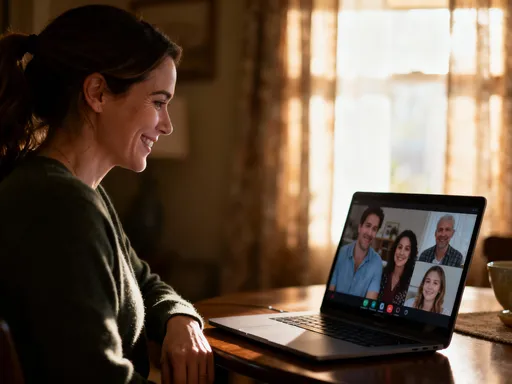
The truth is, I didn’t add more time—I used my time differently. My sessions with Claire were just one hour a week. Sometimes we met via video, sometimes over voice call when I was walking the dog. We kept it simple, focused, and practical. And between sessions, I worked on short, manageable tasks—record a 60-second video, draft an email, organize a folder—things that fit into my daily rhythm.
The key wasn’t intensity. It was consistency. Just like watering a plant every few days leads to growth, showing up week after week—even in small ways—led to real change. Over time, the skills I practiced became habits. I started using clear subject lines in emails. I began organizing digital files so I could find them fast. I even taught my mom how to use a shared calendar to coordinate family events.
And the best part? These skills started spilling over into other areas. When my community center needed help setting up a simple website for their summer program, I volunteered. I didn’t know everything, but I knew where to start—and who to ask. I used the same mindset: try, learn, adjust. And it worked. The site launched on time. Parents signed up. Another small win, another step forward.
A New Mindset: Growth That Sticks
Today, I don’t wait to feel “ready” before I start. I start because I know I’ll learn as I go. That shift in mindset—that’s the real transformation. Online mentorship didn’t just teach me how to make videos or write better emails. It taught me how to learn. It taught me that growth doesn’t have to be loud or fast. It can be quiet, steady, and deeply personal.
I’ve watched my daughter pick up new hobbies with the same attitude. She sees me trying things, making mistakes, and trying again. She says, “Mom, you’re brave.” But it’s not bravery. It’s belief. Belief that I can grow. Belief that I’m not too old, too busy, or too “behind” to learn something new.
Whether it’s learning a new app, helping my husband set up a home office, or finally starting that garden blog I’ve talked about for years, I now see every challenge as an opportunity. Not because I have all the answers—but because I know how to find them. And I know I don’t have to do it alone.
Online mentorship gave me more than skills. It gave me a new way of living—one where learning isn’t something I do on the side, but something that’s woven into my days. It’s not about being perfect. It’s about being present. It’s about showing up, trying, and growing—step by step, win by win, moment by moment. And if you’ve ever felt stuck in the learning loop, I want you to know: there’s another way. It’s not a shortcut. It’s something better. It’s real growth. And it’s possible for you, too.