Tired of last-minute grocery panic before dinner? This app quietly changed how I feed my family
You know that stressful moment—5:30 PM, stomachs growling, and you realize the fridge is nearly empty. You thought you planned meals, but life got busy. I’ve been there, more times than I’d like to admit. Between work deadlines and after-school pickups, cooking fresh meals felt impossible. Then I discovered how a simple produce delivery app transformed not just my dinners, but my entire week. It’s not magic—it’s smart design that fits real life. Let me show you how it quietly brought calm, creativity, and joy back to my kitchen.
The Daily Dinner Dilemma: When “I’ll Figure It Out Later” Fails
It’s 5:30 PM. The dog needs walking, the laundry’s piling up, and someone has a permission slip due tomorrow. But the loudest sound in the house? Stomachs. Your kids look at you with that hopeful, tired gaze and ask, “What’s for dinner?” And you freeze. You scan the fridge—half a jar of pickles, a sad-looking bell pepper, and yesterday’s takeout container. The grocery store is 20 minutes away. Traffic. Parking. The frozen section’s out of chicken nuggets. You know you *should* cook something fresh, but the energy just isn’t there. So, you reach for the phone and order pizza—again. And later, lying in bed, you feel that familiar whisper of guilt. “I could’ve done better.”
This isn’t just about food. It’s about the weight of small decisions piling up until they feel impossible. We want to feed our families well—nutritious, colorful, home-cooked meals—but who has the time? The mental space? Between emails, school events, and doctor appointments, grocery shopping slips through the cracks. And when we do go, we’re overwhelmed. Do we buy too much? Not enough? Are those apples organic? Is that spinach still fresh? The choices are exhausting. And the result? We default to convenience, even when it doesn’t feel good.
I used to think I just needed better willpower. Maybe a fancier meal plan. A color-coded calendar. But the truth is, the system was broken. Relying on memory, last-minute trips, and guesswork doesn’t work when life is unpredictable. And I wasn’t failing because I wasn’t trying hard enough. I was failing because I was asking too much of myself. I needed a reset—not in motivation, but in mechanics. Something that made the right choice the easy one. That’s when I started looking beyond the grocery aisle.
How Fresh Produce Apps Became My Kitchen’s Quiet Ally
I’ll be honest—I was skeptical. When my neighbor mentioned she used an app to get fresh fruits and veggies delivered, I rolled my eyes. “Another tech fix for something we used to do just fine without,” I thought. But then she showed me her kitchen: vibrant greens on the counter, ripe tomatoes waiting to be sliced, herbs in a jar by the sink. And she wasn’t spending hours cooking. She was just… using what she had. No panic. No last-minute drives. No wilted kale forgotten in the crisper.
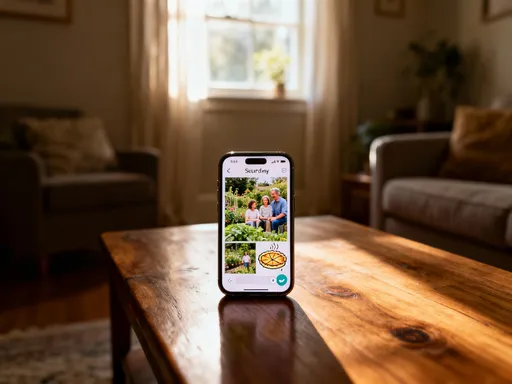
So I gave it a try. I downloaded one of the well-known fresh produce delivery apps—nothing flashy, just simple, reliable, and local-focused. I picked a small starter box: mixed greens, carrots, cucumbers, apples, and a bunch of cilantro (which I’d never bought before, but the photo looked nice). I set the delivery for Wednesday, mid-afternoon, when I knew the kids would be at school and the house quiet.
When the box arrived, I opened it expecting something overpriced and underwhelming. Instead, I found crisp, colorful produce—everything fresh, neatly packed, with a little card explaining where each item came from. I touched the lettuce. It was cool, firm, alive. And for the first time in months, I actually *wanted* to cook. Not because I had to, but because I could. I made a simple salad with lemon dressing. My daughter even ate the cucumber—without me asking twice.
That’s when it hit me: this wasn’t about outsourcing chores. It was about removing friction. The app didn’t cook for me. It didn’t tell me what to make. But it did one crucial thing—it made sure the foundation was there. No more blank fridge. No more “I can’t cook because I have nothing.” Just real food, ready to be used. And that small shift changed everything.
From Workday Chaos to Creative Cooking: Linking Productivity and Meals
Here’s something no one tells you: the way we work affects the way we eat. When my days are packed—back-to-back meetings, urgent emails, endless to-do lists—my brain stays in “survival mode” long after I log off. By the time I walk in the door, I’m mentally drained. And in that state, cooking feels like another task on the list, not an act of care.
But when my produce arrives mid-week—say, Wednesday around 3 PM—it’s like a soft reset. I come home knowing the essentials are already in. No decisions. No trips. Just possibility. And that tiny certainty frees up space in my mind. Instead of dreading dinner, I start thinking about it. “Oh, we have zucchini—maybe we can try that pasta dish I saw online.” Or, “Strawberries are here—let’s make shortcake this weekend.”
It’s not about becoming a gourmet chef. It’s about reclaiming energy. Think of it like using a calendar app for meetings. You don’t show up to work and wing it—you plan, you prepare, you reduce the mental load. Why shouldn’t we do the same for meals? The app acts like a quiet assistant, handling the basics so I can focus on the joy part: choosing, creating, sharing.
And here’s the surprise: I’ve started cooking more, not less. Because the barrier is gone. I don’t have to decide *and* shop *and* prep. I just have to decide *and* prep. That one less step makes all the difference. I’m not fighting against emptiness anymore. I’m building from fullness. And that shift—from scarcity to abundance—changes how I feel about feeding my family. It’s not a chore. It’s a chance to connect.
Building Family Routines Without the Battle
One of the biggest wins? The kids are actually excited about dinner now. Not because I’m a better cook (though I’m getting there), but because the kitchen feels different. It’s not a battlefield of “Eat your broccoli!” or “No, we’re not having pizza again.” It’s a place of discovery.
Every week, when the box arrives, I let the kids pick one new thing to try. Last week, it was kohlrabi. They had no idea what it was, but they loved peeling it and slicing it into sticks. We dipped it in hummus and called it “alien carrots.” The week before, my son chose rainbow chard. He helped wash the leaves, and when we sautéed them with garlic, he stood by the stove, sniffing the air like a little food critic. “Smells fancy,” he said. And he ate two helpings.
My husband, who used to say, “Just tell me what to cook,” now opens the fridge and says, “We’ve got squash and onions—how about a frittata?” He’s not doing it to impress me. He’s doing it because the ingredients are there, visible, inviting. And when people see real food waiting to be used, they’re more likely to use it.
The rhythm of weekly delivery has created a new family routine. Sunday nights, we look at what’s coming that week and talk about what we might make. It’s not a strict plan—more like a loose sketch. But it gives us something to look forward to. And when Wednesday delivery day comes, it’s a small event. The kids ask, “What’s in the box today?” It’s become part of our week, like laundry day or trash pickup—but way more fun.
And the best part? No more guilt. No more “I let them down again.” Because even on the busiest days, we have real food. We might throw it together quickly, but it’s still fresh. It still counts. And that consistency—knowing the fridge won’t be empty—has brought a quiet peace to our home.
The Unexpected Gift: More Than Just Food
I didn’t expect this, but the app gave me back something I didn’t realize I’d lost: time to be present. Not just physically, but mentally. Before, even when I was home, part of my brain was still running the grocery checklist. “Need milk. Need bread. Did I buy enough fruit?” Now, that mental loop is quieter. One less thing to track. One less decision to make.
And in that space, other things have grown. I’ve started trying recipes I used to skip—stir-fries with bok choy, roasted root vegetables, even homemade soup. I invited my teenager to help plan a meal, and to my shock, she picked out a recipe with kale and sweet potatoes. “It looks healthy,” she said. We cooked it together, and she actually ate it. No negotiation. No eye-rolling. Just food, and conversation, and a moment of connection.
There’s a quiet pride that comes from serving a meal you made from fresh ingredients—especially when you didn’t have to fight for them. It feels intentional. Like you’re showing up for your family in a real way. And over time, that pride has built something else: confidence. I no longer feel like I’m failing if dinner isn’t perfect. I know I can open the fridge and find something good. And that small certainty has made me a calmer, more patient mom.
It’s funny—this little app didn’t change my life in a dramatic way. No flashing lights. No overnight transformation. But slowly, steadily, it changed how I move through my week. It gave me back time, energy, and a little joy. And in a world that asks so much of us, that’s everything.
Making It Work for You: Simple Steps to Start
If you’re thinking, “This sounds nice, but I don’t know where to start,” I get it. I felt the same. But here’s the good news: it’s easier than you think. You don’t need to overhaul your routine. Just start small.
First, look for a service that focuses on fresh produce and delivers to your area. Many are local or regional, partnering with nearby farms. Read reviews, check delivery days, and see what box sizes they offer. I started with the smallest—just enough for salads and snacks—and upgraded as I got comfortable.
Next, pick a delivery day that fits your rhythm. I chose Wednesday because it splits the week and gives me fresh food for the second half. You might prefer Monday (fresh start) or Friday (weekend cooking). And don’t overthink the contents. Most apps let you customize—swap out items, add extras like eggs or bread—but it’s okay to leave it on “surprise me” at first. Let the season guide you.
Set a reminder on your phone to review your box a day before delivery. Takes two minutes. You can swap something you won’t use or add an item you’ve been craving. I do this during my lunch break—easy, no pressure.
And here’s a tip: sync your delivery with something else you already do. For me, it’s payday. I treat the subscription like a self-care expense—because it is. For you, it might be tied to a weekly meeting or a family activity. Make it part of the flow, not an extra task.
Finally, be kind to yourself. Some weeks, you’ll use everything. Others, you might toss a sad carrot. That’s okay. The goal isn’t perfection. It’s progress. It’s about making it easier to do the things that matter—like feeding your family with love, not stress.
Tech That Feels Human: Why This Matters Beyond the Kitchen
At first, I thought this was just about groceries. But now I see it differently. This app is a small example of what technology can be when it’s designed with real life in mind. Not to distract us, not to speed us up, but to support us. To give us back time, reduce stress, and create space for what matters—family, creativity, peace.
It’s easy to feel like tech is always asking more of us—more scrolling, more notifications, more pressure to keep up. But this? This feels different. It’s quiet. It’s helpful. It doesn’t demand attention. It just shows up, does its job, and lets me be me.
And in a world that never slows down, that’s a gift. Because when one small thing works smoothly, it ripples out. I’m calmer. I cook more. My family eats better. We talk more at the table. And I feel more like the person I want to be—not a superhero, but a present, capable, caring mom.
So if you’re standing in front of that empty fridge again, take a breath. You don’t have to do it all. You don’t have to be perfect. You just need one small change to start. Let the food come to you. Let the kitchen feel full. And let dinner be something you look forward to—not something you dread. Because you deserve that. And so does your family.