Lost in the Wild Beauty of Fes: A Soul-Stirring Escape Beyond the Medina
You know that feeling when you think you’ve seen it all in a city—until nature quietly pulls you aside and says, “Not quite”? That’s Fes for me. Beyond its ancient alleys and bustling souks, the wild heart of Morocco beats loud in green valleys, misty mountains, and sun-drenched trails. This is not just a cultural gem—it’s a natural wonder hiding in plain sight. Let me take you where few tourists go, where every breeze carries pine and possibility. Here, the rhythm of life is shaped as much by the seasons as by centuries of tradition. For women who seek depth in their travels—those between 30 and 55, balancing family, purpose, and personal renewal—Fes offers more than history. It offers healing, clarity, and a quiet kind of magic found where earth meets sky.
Reimagining Fes: More Than Just a Historic City
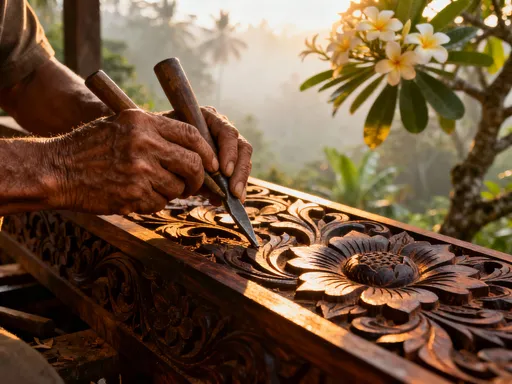
Fes is often celebrated for its UNESCO-listed medina, a labyrinth of cobblestone paths, tanneries, and artisan workshops that have drawn travelers for generations. Yet this image, while powerful, captures only half the story. The city does not stand alone—it rises from a landscape of rolling hills, cedar forests, and mountain air that refreshes the spirit as much as the body. Nestled at the foot of the Middle Atlas range, Fes is naturally cradled by elevation and greenery, a contrast to the arid plains that many associate with Morocco. This geographical blessing means that even within the urban perimeter, nature is never far away. The city breathes with the seasons, and its people have long lived in harmony with the surrounding terrain.
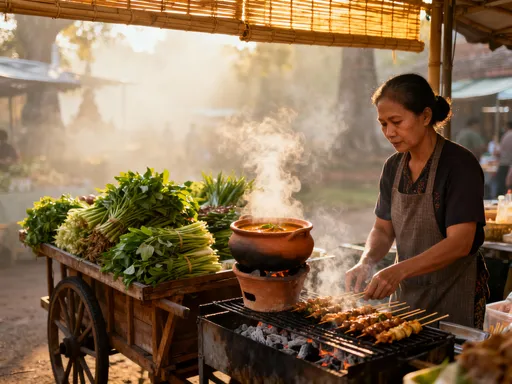
What makes Fes truly special is how seamlessly its cultural and natural worlds intertwine. The same artisans crafting leather and ceramics often draw inspiration from the colors of wildflowers or the textures of forest bark. Farmers from nearby villages bring fresh figs, olives, and honey into the souks, their harvests shaped by rainfall and altitude. Even the architecture reflects the environment: thick earthen walls that cool homes in summer, sloped roofs ready for winter’s rare but treasured snow. For the thoughtful traveler, especially one seeking balance and authenticity, this integration offers a rare gift—a place where heritage isn’t preserved behind glass, but lived daily alongside nature’s cycles.
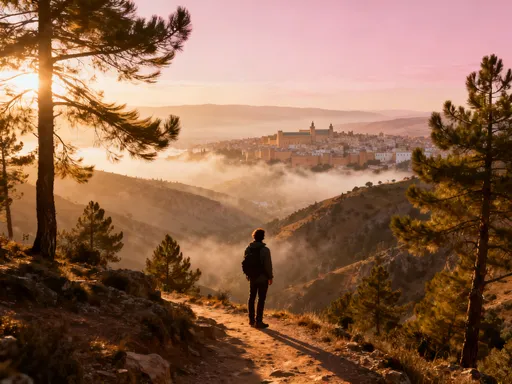
Stepping beyond the medina walls is not an escape from culture, but an expansion of it. A short walk or taxi ride can take you to vantage points like Jbel Bouhajar, where the entire city unfolds below, framed by olive groves and distant peaks. From here, the call to prayer echoes across valleys, blending with bird song and wind. This is the Fes that redefines expectations. It invites you to slow down, to notice how sunlight shifts across terracotta rooftops, how goats graze on hillsides once used for agriculture, and how the scent of thyme rises from warm earth after a morning rain. For women who carry the weight of household decisions, who plan meals, manage schedules, and nurture relationships, this kind of stillness is not a luxury—it’s a necessity.
The Green Lungs: Parks and Natural Reserves Near Fes
Just beyond the city’s vibrant chaos lie sanctuaries of calm—carefully preserved green spaces that serve as both ecological havens and peaceful retreats. Among the most accessible is the Andalucian Gardens, a beautifully landscaped oasis inspired by classical Islamic garden design. Laid out in symmetrical quadrants, with flowing water channels and shaded walkways, this garden offers a sensory balm. The sound of fountains, the fragrance of jasmine, and the sight of blooming bougainvillea create an atmosphere of serenity. It’s a place where mothers might pause with daughters, where friends sit on stone benches sharing quiet conversation, and where solo travelers find space to reflect.
Less known but equally rewarding is the Arboretum de Bouknadel, located about fifteen minutes from the city center. This expansive reserve is not merely ornamental—it functions as a living laboratory for native plant species, including argan, carob, and Atlas cedar. Winding trails invite exploration, and birdwatchers may spot hoopoes, kestrels, or migrating warblers. Unlike manicured urban parks, the arboretum feels wilder, more immersive. It’s common to see local families spreading out picnic cloths under olive trees, children chasing butterflies, and elders walking slowly along shaded paths. For visitors, this is a chance to witness Moroccan family life in its most natural setting—outdoors, unhurried, connected to the earth.
Reaching these spaces is simple. Local taxis, recognizable by their cream and red colors, are plentiful and affordable. Most drivers know the main parks and can drop you at a nearby entrance. The best times to visit are early morning, when the air is cool and dew still clings to leaves, or late afternoon, as the sun begins to soften. These hours also align well with family routines—perfect for those traveling with children or older relatives. After a garden visit, consider a stop at a countryside café, where mint tea is poured from height and fresh khobz (bread) is served with olive oil and za’atar. These moments, simple and nourishing, often become the most cherished parts of a journey.
What these green spaces offer is more than beauty—they provide balance. In a world where women often juggle multiple roles, where home, work, and caregiving blend into a continuous stream of responsibility, being in nature restores perspective. The gardens of Fes do not demand attention; they simply exist, offering peace to those who enter. They remind us that growth requires stillness, that clarity comes not from doing more, but from being present. In this way, they are not just parks, but places of quiet transformation.
Hiking Trails That Take Your Breath Away
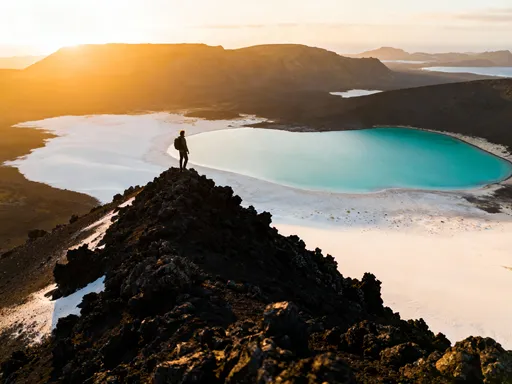
For those ready to move beyond observation and into immersion, the hills surrounding Fes offer a network of hiking trails that are both accessible and deeply rewarding. These paths are not for elite mountaineers—they are designed by time and use, worn into the earth by shepherds, farmers, and generations of locals who know the land intimately. One of the most popular routes leads to Zaouiat Cheikh, a village perched on a hillside just south of the city. The climb is moderate, taking about an hour at a steady pace, and rewards hikers with one of the most breathtaking panoramic views in northern Morocco. From this vantage, Fes spreads out like a living map, its rooftops merging with the valley below, while the Middle Atlas forms a hazy blue backdrop.
Another favorite is the trail to Sidi Harazem, a historic site known for its thermal springs and tranquil atmosphere. The path winds through fragrant pine and oak forests, crossing small stone bridges and passing remnants of old kasbahs. Along the way, it’s not uncommon to meet local shepherds guiding flocks of sheep or goats, their wooden staffs tapping softly against rocks. These encounters are not staged for tourists—they are real moments of rural life, unfolding without performance. The thermal springs themselves, long used for their soothing properties, are now part of a public wellness complex where visitors can soak in warm mineral-rich waters. It’s a perfect place to rest tired feet after a morning hike, especially for women who carry the physical demands of daily life.
When planning a hike, it’s important to consider season and preparation. Spring, from March to May, is ideal—wildflowers blanket the hillsides, temperatures are mild, and streams run full from melted snow. Summer can be hot, particularly in July and August, so early morning starts are recommended. Autumn brings golden light and crisp air, making it another excellent time to explore. Regardless of season, hikers should wear sturdy footwear, carry water, and wear sun protection. A light backpack with snacks, a hat, and a reusable water bottle is all you need. There’s no need for technical gear—just a willingness to walk at your own pace.
What makes these hikes special is not just the scenery, but the sense of connection they foster. As you walk, you begin to notice small details: the way sunlight filters through cedar branches, the sound of a distant flute played by a shepherd, the taste of wild mint crushed between your fingers. These are the moments that stay with you long after the trip ends. They ground you. For women who often give so much to others, this kind of experience—a walk in silence, a view earned by effort, a moment of solitude in nature—can feel like a return to oneself.
The Waterways: Rivers, Springs, and Hidden Valleys
Water is life in Morocco, and in Fes, it plays a quiet but vital role in shaping both landscape and livelihood. While the Oued Fes river is largely covered as it passes through the medina—due to past sanitation efforts—its presence is felt strongly just outside the city walls. In areas like Ain Nkab and along the road to Ifrane, the river reemerges, cutting through rocky gorges and feeding lush orchards and small-scale farms. These waterways are not just scenic—they are productive, sustaining trout farms, walnut groves, and vegetable plots that supply local markets.
One of the most picturesque stretches lies near the village of Ouled Tayeb, where clear streams flow over smooth stones, shaded by willow and poplar trees. Families often gather here on weekends, spreading blankets for picnics, grilling fresh fish, or simply letting children play in shallow pools. The scene is relaxed, joyful, and deeply rooted in tradition. For visitors, joining such a moment doesn’t require invitation—just respect and a willingness to blend in. Sitting quietly with a book, sharing a piece of fruit, or offering a smile can be enough to feel included.
Photographers will find endless inspiration here—the interplay of light and water, the contrast of green foliage against ochre cliffs, the reflections of clouds in still pools. But even without a camera, the experience is rich. The sound of flowing water has a calming effect, proven by studies to reduce stress and improve mental clarity. For women navigating the emotional labor of family life, such moments of auditory peace can be deeply restorative. The rhythm of a stream mimics breath, slow and steady, inviting you to let go of tension.
These waterways also support biodiversity. Freshwater species, amphibians, and migratory birds depend on these habitats, making conservation essential. Local initiatives work to protect water quality and prevent littering, often in partnership with schools and community groups. Travelers can support these efforts by choosing eco-friendly practices: packing out trash, avoiding single-use plastics, and staying on designated paths. When you drink from a spring or dip your feet in a stream, do so with gratitude and care. These resources are shared, not owned, and their preservation ensures that future generations—both local and visiting—can continue to find refreshment here.
Seasonal Shifts: When Nature Puts on a Show
Fes is not a static destination—it transforms with the seasons, each bringing its own palette and rhythm. Spring, from March to May, is perhaps the most vibrant. Hillsides bloom with wild herbs—thyme, oregano, and chamomile—filling the air with fragrance. Almond and cherry trees burst into delicate pink and white blossoms, a sight particularly stunning in the rural areas northeast of the city. This is also the season of harvest for artichokes, asparagus, and early figs, making local markets a feast for the senses. For travelers, spring offers the best combination of mild weather, blooming landscapes, and cultural activity, including traditional planting festivals in nearby villages.
Summer brings warmth and long days, ideal for early morning hikes or evening strolls through gardens. While temperatures in the city can rise, the higher elevations remain comfortable, making excursions to Ifrane or Azrou pleasant even in July and August. These towns, nestled in the Middle Atlas, offer cooler air and pine-scented forests, a refreshing contrast to urban heat. Summer is also the season of family gatherings—many Moroccans travel to rural homes during Eid holidays, turning country roads into lively corridors of connection. Visitors will notice a slower pace, longer meals, and a deep appreciation for shade and rest.
Autumn, from September to November, paints the region in warm golds and reds, especially in the cedar forests where leaves turn before falling. This is a quieter time for tourism, which means fewer crowds and more intimate experiences. It’s also the season of the olive harvest, a communal event where families and neighbors come together to gather fruit, press oil, and share meals. Participating in or observing this tradition offers a rare glimpse into the heart of Moroccan domestic life. Winter, though brief in its intensity, brings its own beauty. On clear days, snow-capped peaks are visible from Fes, glowing at sunrise. While snow rarely settles in the city, it dusts the higher mountains, creating a striking contrast against deep blue skies.
Understanding these seasonal rhythms allows travelers to plan with intention. Rather than chasing checklists, you can align your visit with what matters most—whether it’s blooming landscapes, cooler temperatures, or cultural participation. For women who value meaningful experiences over mass tourism, this kind of planning leads to deeper satisfaction. It turns a trip into a story, a journey shaped by nature’s calendar rather than a guidebook’s agenda.
Sustainable Exploration: Respecting the Environment While You Wander
As Fes’s natural attractions gain recognition, the need for responsible travel grows more urgent. These landscapes are not infinite—they require care and stewardship. One of the simplest ways to travel sustainably is to stay on marked trails. This protects fragile vegetation and prevents soil erosion, especially on slopes where roots hold the earth in place. Avoid shortcuts, even if they seem harmless; over time, repeated foot traffic can create gullies and damage ecosystems.
Another critical practice is minimizing waste. Carry a reusable water bottle, refillable coffee cup, and cloth shopping bag. Morocco has made strides in reducing plastic, with many shops and markets discouraging single-use bags. Follow local lead: if a vendor offers your purchase in paper or cloth, accept with gratitude. When picnicking, pack out everything you bring in. Leave no trace—no wrappers, no containers, no food scraps that might attract animals or disrupt natural feeding patterns.
Supporting local conservation efforts is another powerful choice. Near Jbel Sidi Yahya, reforestation projects are restoring native cedar and oak forests, which provide habitat for endangered species like the Barbary macaque. Some tours offer volunteer opportunities, such as tree planting or trail maintenance, allowing visitors to give back directly. Even if you can’t participate, choosing eco-conscious guides and cooperatives makes a difference. These small businesses often prioritize environmental education and fair wages, ensuring that tourism benefits both people and place.
Sustainable travel is not about perfection—it’s about awareness. It’s about recognizing that every choice, from where you walk to what you buy, has an impact. For women who often make thoughtful decisions at home—choosing organic food, conserving energy, teaching children about responsibility—this mindset extends naturally to travel. By honoring the environment, you honor the communities that depend on it. You become not just a visitor, but a guest—one who leaves quietly, gratefully, and with respect.
Why This Side of Fes Changes How You Travel
Exploring the natural side of Fes does more than add variety to a trip—it shifts your entire relationship with travel. You begin to see the city not as a static exhibit, but as a living system shaped by mountains, water, climate, and human care. The medina’s artisans rely on dyes made from local plants. The food in the souks comes from nearby farms nourished by spring rains. The architecture responds to sun and wind. Everything is connected.
This awareness fosters a slower, more mindful way of moving through the world. Instead of rushing from landmark to landmark, you learn to pause—to watch a shepherd lead his flock, to taste honey from a village apiary, to sit by a stream and simply breathe. These moments, though quiet, are powerful. They remind you that travel is not just about seeing, but about feeling. For women who carry the emotional and physical labor of family life, this kind of presence is a form of renewal. It’s not escape—it’s reconnection.
Ultimately, Fes teaches that culture and nature are not separate realms, but deeply entwined. The soul of a place lives not only in its monuments, but in its soil, its seasons, its streams. To experience both is to travel with depth, with curiosity, with heart. And in doing so, you don’t just discover a destination—you rediscover yourself.