You Won’t Believe What Bora Bora’s Terrain Feels Like Under Your Feet
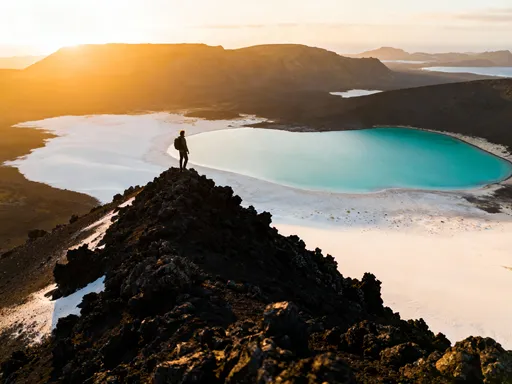
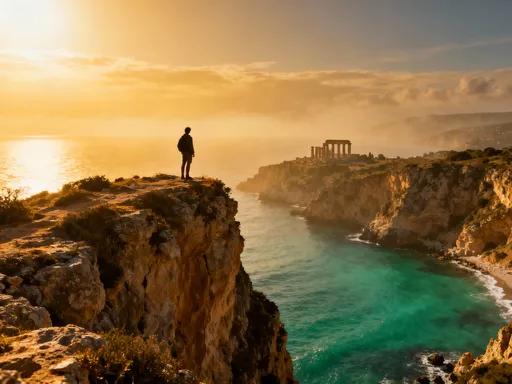
Standing on Bora Bora’s volcanic ridge at sunrise, I felt like the island was breathing beneath me. The contrast between razor-sharp lava formations and powdery white sand just steps away was unreal. This isn’t just another tropical postcard—it’s a living landscape shaped by fire, water, and time. The special terrain of Bora Bora transforms every walk, swim, or paddle into a sensory journey. If you think it’s all overwater bungalows, trust me—you haven’t seen the half of it.
The Island That Rose From Fire
Bora Bora is not merely a destination; it is a geological marvel born from volcanic fury millions of years ago. Its dramatic silhouette, dominated by the jagged peaks of Mount Otemanu and Mount Pahia, tells the story of an ancient undersea volcano that erupted with such force it pierced the surface of the Pacific Ocean. Over time, erosion sculpted the hardened lava into steep ridges, deep valleys, and exposed basalt cliffs that now stand as silent witnesses to the island’s fiery origin. These formations are not just scenic—they are foundational, shaping everything from rainfall patterns to plant life and human settlement.
Walking through the island’s interior feels like stepping into a world untouched by modern development. The terrain underfoot is rugged and unyielding—uneven chunks of volcanic rock, some smooth from centuries of wind and rain, others still sharp as glass. Sunlight bakes the dark stone, radiating warmth even in the early morning, while the scent of wild ginger and ferns rises from the moist soil nestled between cracks. The wind hums through narrow canyons, creating a natural chorus that echoes against the rock walls. This is not a landscape designed for comfort, but for awe.
What makes Bora Bora’s volcanic core so remarkable is how little of it has been altered by tourism. Unlike many tropical islands that have been flattened for resorts or roads, much of Bora Bora’s interior remains wild and inaccessible. There are no paved trails winding through the highlands, no cable cars to the summit—only a few marked paths maintained by local guides. This preservation allows visitors who venture beyond the lagoon to experience the island in its most authentic form: raw, powerful, and humbling. The contrast between the cultivated beauty of the beaches and the untamed heart of the island is one of Bora Bora’s greatest revelations.
Lagoon Meets Land: A Terrain Like No Other
One of Bora Bora’s most mesmerizing features is the way its solid land dissolves into water, creating a dynamic boundary that shifts with the tides. The island is surrounded by a vast coral reef, which acts as a natural breakwater, protecting the calm, shallow lagoon from the open ocean. Within this protected zone lie dozens of small islets called motu, scattered like stepping stones around the main island. These transitions—from volcanic rock to coral rubble, from dry sand to submerged reef—are where the island’s terrain becomes truly magical.
Walking across a narrow sandbar at low tide, you can feel the ground change beneath your feet with every step. One moment you’re on coarse fragments of broken coral, rough and uneven, and the next you sink into fine, sugar-like sediment that has settled in sheltered channels. The water laps at your ankles, cool and clear, revealing tiny fish darting between patches of sea grass. As the tide rises, these pathways disappear, turning what was solid ground into a swimming channel. This daily transformation reminds visitors that Bora Bora is not a static paradise, but a living system in constant motion.
The reef itself is a terrain of its own—a complex network of coral heads, sandy flats, and sudden drop-offs. In some areas, the lagoon floor slopes gently, allowing for easy wading. In others, the seabed plunges dramatically into deep blue, where sharks and rays patrol the edges of the volcanic slope. Snorkelers often describe the sensation of floating over these underwater cliffs as both thrilling and serene, like flying over a submerged mountain range. The clarity of the water enhances every detail, from the texture of the coral to the ripple of sand carried by the current. This interplay between land and water is what gives Bora Bora its unique sense of depth and dimension.
Walking the Wild Side: Hiking Otemanu’s Foothills
For those willing to leave the beach behind, hiking the foothills of Mount Otemanu offers one of the most immersive ways to experience Bora Bora’s terrain. While the summit itself is inaccessible without technical climbing gear, the lower slopes are traversed by a series of well-maintained trails that wind through dense vegetation and rocky outcrops. These paths are not paved or overly engineered—they follow the natural contours of the land, requiring careful footing and a willingness to engage with the environment.
Underfoot, the trail is a mix of loose volcanic gravel, exposed tree roots, and patches of damp earth covered in moss. Each step demands attention, especially after rainfall when the terrain becomes slippery. The air is thick with the scent of tropical foliage, and the canopy above filters the sunlight into dappled patterns on the ground. Occasionally, the trees open up to reveal breathtaking views of the lagoon, where the geometric patterns of coral and sand form a living mosaic. From this vantage point, the island’s layout becomes clear—the central mountain, the ring of motu, and the endless blue beyond.
Most visitors to Bora Bora never see this side of the island. Resorts focus on water-based activities, and many guests spend their entire stay within the comfort of their overwater bungalows. But those who choose to hike gain a deeper appreciation for the island’s complexity. Guided tours are recommended, not only for safety but also for the knowledge local guides bring about plant life, geology, and cultural history. They point out medicinal plants, explain how ancient Polynesians navigated the terrain, and share stories passed down through generations. This blend of physical challenge and cultural insight transforms a simple walk into a meaningful journey.
Overwater, Underfoot: The Illusion of Floating
Staying in an overwater bungalow is often the highlight of a Bora Bora visit, and much of its magic lies in the sensation of being suspended above the sea. The wooden piers that connect the bungalows to land create a unique kind of terrain—one that is both solid and ephemeral. As you walk across the planks, you feel a slight vibration beneath your feet, a subtle reminder that you are moving over water. The sound of waves tapping against the pilings below adds to the effect, creating a rhythmic lullaby that accompanies every step.
What makes this experience truly extraordinary is the visibility of the water beneath. Through glass panels in the floor or gaps between the boards, you can see the lagoon’s ecosystem unfolding in real time. Reef sharks glide silently past, their shadows stretching across the sand. Stingrays flap their wings like underwater birds, stirring up clouds of fine sediment. Schools of brightly colored fish dart in and out of coral clusters, their movements synchronized like a choreographed dance. It’s easy to forget you’re walking on a man-made structure; the transparency of the water dissolves the boundary between architecture and nature.
This engineered terrain is carefully designed to minimize environmental impact while maximizing immersion. The bungalows are built on stilts to avoid damaging the reef, and their placement follows the natural currents to prevent erosion. Even the materials used—sustainably sourced wood, natural thatch—are chosen to blend with the surroundings. The result is a seamless integration of human habitation and natural beauty. For many guests, the simple act of stepping onto the deck at sunrise, feeling the cool wood beneath bare feet and watching the light dance on the water, becomes a defining moment of their trip.
Motu Adventures: Sand, Scrub, and Secret Shores
Scattered around Bora Bora’s lagoon are dozens of motu—small, low-lying islets formed from coral debris and sand. These tiny landmasses are often overlooked by tourists, yet they offer some of the most authentic and peaceful experiences on the island. Each motu has its own character, shaped by wind, tide, and vegetation. Some are densely covered in scrub and coconut palms, while others are little more than strips of white sand bordered by turquoise water. What they all share is a sense of quiet isolation, a feeling of being far from the rhythms of daily life.
Walking on a motu is a sensory delight. The sand is fine and cool, even in the midday sun, and the ground feels slightly spongy where plant roots hold the soil together. Seabirds call from the trees, and the occasional coconut thuds to the ground, breaking the silence. Some motu have small picnic areas set up by tour operators, where guests can enjoy a traditional Polynesian meal under a thatched pavilion. Others remain completely untouched, accessible only by kayak or small boat. These hidden shores are perfect for swimming, snorkeling, or simply lying under the shade of a palm tree with nothing but the sound of the waves.
Because motu are formed from fragile coral and sand, they are highly vulnerable to erosion and human impact. Foot traffic can damage root systems, and litter can disrupt nesting birds. Responsible visitors are encouraged to follow low-impact practices: staying on designated paths, avoiding trampling vegetation, and carrying out all waste. Some eco-tours include beach clean-up activities, allowing guests to give back to the environment they’ve come to enjoy. By treating these islets with care, travelers help ensure that future generations can experience their unspoiled beauty.
Snorkeling the Seafloor: Terrain Beneath the Surface
Beneath the surface of Bora Bora’s lagoon lies a world of extraordinary topography. The seafloor is not flat or featureless—it is a dynamic landscape of coral ridges, sandy valleys, and sudden drop-offs that descend into deep water. Snorkeling here is less like swimming and more like exploring an underwater wilderness. Every fin kick reveals a new formation: a wall of brain coral, a field of staghorn branches, a cave teeming with juvenile fish. The terrain shapes the life that inhabits it, creating niches for different species to thrive.
One of the most striking features is the volcanic slope that extends from the base of Mount Otemanu into the lagoon. Here, the seabed rises and falls in dramatic formations, some covered in soft corals that sway with the current, others bare and rocky, home to moray eels and octopuses. Swimming over these structures gives a sense of scale and depth that is rarely found in shallow reefs. Visibility can exceed 100 feet on calm days, allowing snorkelers to see sharks patrolling the drop-off or a manta ray gliding silently in the distance.
Currents play a crucial role in shaping the underwater terrain and influencing the snorkeling experience. In some areas, gentle flows bring nutrients that sustain vibrant coral gardens. In others, stronger currents require more effort to navigate, but they also attract larger marine life. The best snorkeling often occurs during slack tide, when the water is calmest and visibility is at its peak. Local guides know the ideal times and locations, helping visitors make the most of their time in the water. For families, many resorts offer shallow reef areas where children can safely observe fish and coral without venturing into deeper zones.
Respecting the Land: Sustainable Ways to Experience Bora Bora’s Terrain
As one of the most iconic destinations in the South Pacific, Bora Bora faces growing pressure from tourism. While visitors come seeking beauty and tranquility, their presence can have unintended consequences on the island’s delicate ecosystems. The volcanic soil erodes easily, coral is sensitive to touch and pollution, and native species are threatened by invasive plants and animals. Sustainable tourism is not just a recommendation—it is a necessity for preserving Bora Bora’s unique terrain for future generations.
Travelers can make a difference by following simple but meaningful practices. Staying on marked trails prevents soil erosion and protects plant life. Avoiding contact with coral while snorkeling ensures these fragile organisms continue to grow and support marine biodiversity. Using reef-safe sunscreen, minimizing plastic use, and participating in eco-conscious tours are all ways to reduce environmental impact. Many local operators now offer guided experiences that emphasize education and conservation, from reef monitoring programs to cultural walks that highlight traditional land stewardship.
Supporting local guides and businesses also contributes to sustainable development. These individuals have a deep connection to the land and a vested interest in its preservation. Their knowledge enhances the visitor experience while ensuring that tourism benefits the community directly. By choosing responsible options, travelers do more than enjoy a vacation—they become part of a larger effort to protect one of the planet’s most extraordinary landscapes.
Bora Bora’s true magic isn’t just in its beauty, but in the way its terrain tells a story—of ancient eruptions, ocean currents, and delicate balance. Every step, swim, or gaze across its varied landscapes offers a chance to feel part of something far greater. To visit is not just to see, but to sense the island’s pulse. And once you do, you’ll never look at a tropical getaway the same way again.