Taste of the Wild: Where Hanoi’s Street Food Meets Untamed Nature
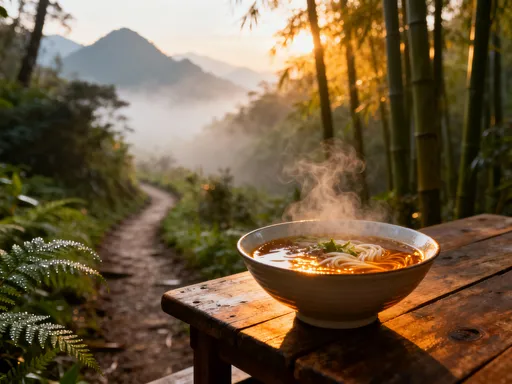
Ever wondered where bold flavors grow wild? Hanoi doesn’t just serve food—it tells stories through every bite. I’m talking steaming pho stands near misty highland trails and spicy bun cha eaten under swaying bamboo in protected forest valleys. This city’s soul isn’t just in its streets—it’s where urban energy meets untouched nature. And honestly? The real magic happens where most tourists don’t think to look. In the quiet spaces between conservation zones and village paths, a deeper culinary truth emerges: the best dishes are born not in kitchens alone, but in forests, terraced hills, and clean mountain streams. Here, flavor is shaped by altitude, season, and centuries-old traditions that honor both land and palate.
The Unexpected Flavor of Protected Landscapes
Hanoi’s surrounding protected areas—such as Ba Vi National Park and the foothills of the Tam Dao Range—are more than just conservation zones. They function as living pantries, sustaining a rich network of biodiversity that feeds the city’s culinary identity. These green sanctuaries, preserved through national environmental policies, are not isolated from human life but deeply intertwined with it. Local communities living on the edges of these forests continue age-old traditions of sustainable farming and foraging, gathering ingredients that define Hanoi’s most beloved dishes. Wild herbs like rau ram (Vietnamese coriander), ngổ (lakon), and húng lủi (mint) are regularly harvested from buffer zones, their flavors intensified by clean air, mineral-rich soil, and natural growing cycles.
What makes these ingredients exceptional is their terroir—the unique combination of soil, climate, and elevation that shapes their taste. Unlike herbs grown in monoculture farms with synthetic fertilizers, wild and semi-wild plants from protected landscapes carry a depth of flavor that is difficult to replicate. Mountain-grown rice, for instance, matures more slowly due to cooler temperatures, resulting in grains that are nuttier and more aromatic. Free-range pigs raised in the highlands forage on forest roots and fallen fruit, producing meat with a richer, more complex profile than commercially raised alternatives. This natural quality is not accidental; it is the direct result of conservation efforts that maintain ecological balance.
The connection between Hanoi’s food culture and its protected natural spaces is not merely logistical—it is cultural and historical. Generations of families have passed down knowledge about which plants bloom in spring, where certain mushrooms appear after rain, and how to harvest without depleting resources. These practices reflect a deep respect for nature’s rhythms, ensuring that the land continues to provide. As urban life accelerates, these traditions serve as a reminder that authenticity in cuisine begins long before the wok heats up. It begins in the quiet rustle of leaves, the scent of damp earth, and the careful hands of those who know the forest like an old friend.
From Forest to Pho: The Journey of Signature Ingredients
A steaming bowl of pho may seem like a simple comfort, but its ingredients trace a journey that begins deep in Hanoi’s surrounding forests. The fragrant herbs floating on top—ngổ, rau răm, and sliced green onion—are often grown in small family plots adjacent to protected areas. These buffer zones, officially designated as transition areas between strict conservation land and human settlements, allow for sustainable agriculture that supports both ecological integrity and local livelihoods. Farmers here use traditional methods, avoiding chemical pesticides and synthetic fertilizers that could leach into nearby streams or harm native species.
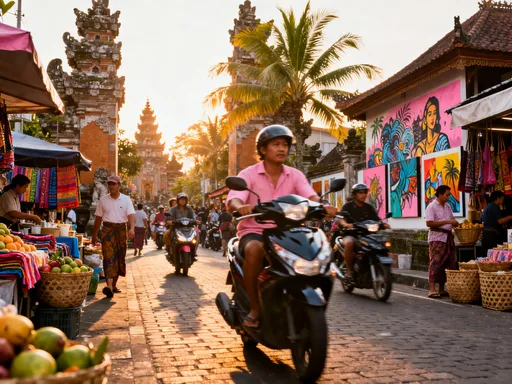
Take the case of a small farming cooperative near Ba Vi National Park. Members grow organic herbs and vegetables using compost from livestock and natural pest deterrents like marigolds. Their produce is collected each morning by motorbike and delivered directly to Hanoi’s bustling street food markets. One farmer, Mrs. Lan, explains that her family has farmed this land for over four decades. “We don’t fight the forest,” she says. “We work beside it. When the trees are healthy, our soil stays strong, and our food tastes better.” Her words reflect a philosophy that aligns with modern ecological science: healthy ecosystems produce healthy food.
The journey from forest edge to city bowl also involves reforestation efforts and biodiversity protection. For example, the cultivation of shade-grown coffee in the Tam Dao foothills supports bird populations and prevents soil erosion, while also yielding beans with a smoother, more nuanced flavor. Similarly, the use of natural pollinators in herb gardens increases crop resilience and reduces dependency on artificial inputs. These practices are not just environmentally sound—they enhance flavor and nutritional value. When a traveler enjoys a fresh spring roll filled with crisp, aromatic herbs, they are tasting the direct result of conservation-minded farming.
Moreover, government-supported programs now link forest protection with food security. Initiatives such as Payment for Forest Environmental Services (PFES) compensate communities for maintaining forest cover, which in turn protects watersheds that supply irrigation for agriculture. This creates a virtuous cycle: protecting trees ensures clean water, which nourishes crops, which then feed the city. The next time someone savors a spoonful of pho broth infused with wild-sourced spices, they are not just enjoying a meal—they are participating in a larger story of ecological harmony and cultural continuity.
Street Eats with a View: Food Stalls Near Nature Reserves
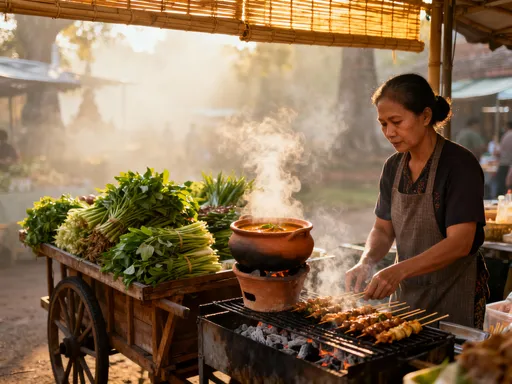
Just a short drive from Hanoi’s bustling streets, a different kind of dining experience awaits—one where the backdrop is not concrete, but rolling hills, terraced fields, and forest canopies. Along the roads leading into Ba Vi National Park and the Tam Dao foothills, family-run food stalls have become quiet institutions, serving travelers and locals alike with meals that are as fresh as the air around them. These roadside kitchens are more than convenience stops; they are cultural touchstones where food, community, and landscape converge.
Imagine sitting at a wooden table beneath a bamboo awning, sipping a glass of cafe sua da—Vietnamese iced coffee with sweetened condensed milk—while gazing out over emerald-green rice terraces. The coffee itself may have been grown in nearby highland farms, its beans roasted locally to preserve their floral notes. The snack served alongside—a grilled ear of corn slathered with butter and chili salt—comes from maize harvested that morning in a neighboring village. Even the sticky rice, wrapped in lotus leaves and steamed over charcoal, carries the fragrance of the forest, infused during the steaming process.
One popular stop near the entrance of Ba Vi offers banh cuon—steamed rice rolls filled with minced pork and wood ear mushrooms—made fresh every hour. The owner, Mr. Dung, sources his rice from a cooperative that uses spring water from the national park’s watershed. “The water is clean, cold, and full of minerals,” he explains. “It makes the rice softer, sweeter.” His stall also serves thit lon nuong xa, a fermented pork pancake grilled over open flame, using meat from free-range pigs raised in the hills. The sourness of the marinade comes from natural fermentation, a technique passed down from his grandmother.
These stalls thrive because they offer authenticity. Unlike mass-produced fast food, their dishes reflect seasonality and place. In spring, menus feature young bamboo shoots and wild greens; in autumn, roasted sweet potatoes and persimmons take center stage. The connection to nature is not just in the ingredients but in the experience itself—eating outdoors, listening to birdsong, feeling the mountain breeze. For visitors, this is not just a meal; it is a moment of pause, a chance to reconnect with the rhythms of the natural world. And for local families, these stalls are a source of pride and income, proving that conservation and commerce can coexist when rooted in respect for the land.
The Rise of Eco-Conscious Food Experiences
In recent years, a quiet shift has taken place in how travelers engage with food in northern Vietnam. More visitors are seeking not just taste, but meaning. They want to know where their meal comes from, who grew it, and how it was prepared. This growing demand has given rise to a new kind of tourism: eco-conscious food experiences that blend education, sustainability, and cultural immersion.
Farms near protected areas are increasingly opening their gates to visitors for hands-on activities. Tourists can spend a morning picking herbs in an organic garden, learning to identify edible plants under the guidance of a local elder, or grinding rice using traditional stone mortars. These experiences often culminate in cooking classes, where participants prepare dishes using the ingredients they’ve gathered. One such program near Tam Dao teaches visitors how to make com lam—bamboo tube rice—by stuffing glutinous rice, pork, and herbs into fresh bamboo segments, then roasting them over an open fire. The smoky aroma that fills the air is unforgettable, a sensory link between forest and feast.
These agritourism initiatives do more than entertain; they educate. Guides explain how crop rotation preserves soil health, why chemical-free farming protects pollinators, and how traditional knowledge contributes to modern sustainability. Children and adults alike learn that food does not come from supermarkets, but from a complex web of natural processes and human care. At the same time, these programs generate income for local communities, reducing pressure to exploit natural resources unsustainably. A family that earns a living from hosting visitors is more likely to protect the forest that draws them in.
Local governments and conservation organizations are beginning to support these models as part of broader environmental strategies. Training programs help farmers develop hospitality skills, while certification schemes ensure that participating farms meet ecological standards. The result is a growing network of responsible food experiences that benefit both people and the planet. For travelers, this means deeper, more memorable meals. For the landscape, it means continued protection. And for Hanoi’s culinary future, it means a stronger connection between the plate and the earth that feeds it.
Challenges in Balancing Access and Preservation
While the integration of food culture and nature tourism brings many benefits, it also presents real challenges. As more visitors seek out these authentic experiences, the very landscapes that make them possible come under increasing pressure. Foot traffic on forest trails can lead to soil compaction and erosion. Unregulated tours may disturb wildlife or introduce invasive species. And perhaps most visibly, waste from food packaging—plastic bags, Styrofoam containers, disposable cutlery—can accumulate in sensitive areas, harming animals and polluting water sources.
In some popular spots near Ba Vi, local authorities have reported a rise in litter along hiking paths and picnic areas. While vendors and visitors alike appreciate the natural beauty, not all are equipped with the knowledge or infrastructure to dispose of waste responsibly. Single-use plastics remain common, and recycling systems are often underdeveloped in rural regions. Even well-meaning travelers may leave behind banana leaves, assuming they are biodegradable (which they are), but still contributing to visual pollution if not properly managed.
These issues highlight the tension between accessibility and preservation. On one hand, opening natural areas to food tourism supports local economies and fosters appreciation for conservation. On the other, unchecked growth can degrade the ecosystems that make these experiences valuable in the first place. The solution lies in thoughtful management. Some communities have begun implementing eco-guidelines for vendors, encouraging the use of bamboo skewers, leaf-wrapped packages, and reusable containers. Others have introduced waste collection points and educational signage in both Vietnamese and English to raise awareness.
Seasonal visitor caps, guided-only access to fragile zones, and community-led monitoring programs are also being explored. In one village near Tam Dao, residents formed a volunteer group to patrol trails and conduct weekly cleanups. They also host short orientation sessions for arriving tourists, explaining local rules and the importance of staying on marked paths. These efforts demonstrate that preservation is not about exclusion, but about stewardship. By involving both locals and visitors in conservation, communities can protect their natural heritage while continuing to share its gifts.
How Travelers Can Eat Responsibly
Every traveler has a role to play in preserving the delicate balance between food culture and natural conservation. Responsible eating is not about restriction—it is about intention. Simple choices can make a meaningful difference. First and foremost, supporting vendors who source ingredients locally ensures that economic benefits stay within the community and reduces the carbon footprint associated with long-distance transport. When a traveler buys a bowl of pho made with herbs from a nearby garden, they are voting for sustainability with every bite.
Another key action is avoiding single-use plastics. Carrying a reusable water bottle, bringing a cloth bag, or using personal utensils can significantly reduce waste. Many eco-minded stalls now offer discounts to customers who bring their own containers. Even small gestures—like refusing a plastic straw or asking for no extra napkins—add up when practiced collectively. Travelers can also choose to visit during off-peak hours, helping to distribute foot traffic more evenly and reduce strain on infrastructure.
Learning a few basic Vietnamese phrases can deepen the experience and show respect to local hosts. A simple “Cảm ơn” (thank you) or “Món này làm từ gì vậy?” (What is this dish made from?) can open doors to conversation and mutual understanding. These interactions not only enrich the journey but also reinforce the human connections that sustain traditional foodways.
Finally, following trail rules—staying on marked paths, not feeding wildlife, and packing out all trash—helps protect the ecosystems that make these culinary experiences possible. Responsible travel is not about perfection; it is about awareness and effort. When visitors treat the landscape with care, they honor the generations of people who have lived in harmony with it. And in doing so, they ensure that future travelers will also taste the wild, unfiltered flavors of Hanoi’s natural heart.
A Future Where Flavor and Forest Thrive Together
The bond between Hanoi’s cuisine and its surrounding green spaces is not incidental—it is essential. The city’s most cherished dishes owe their character to the forests, rivers, and highland farms that shape their ingredients. This relationship is a living testament to the idea that culture and nature are not separate realms, but interconnected systems that sustain one another. Protecting Hanoi’s protected landscapes is not merely an environmental duty; it is an act of culinary preservation.
Looking ahead, the challenge is to strengthen this connection without compromising its integrity. This means investing in sustainable infrastructure, supporting community-led conservation, and promoting food tourism that prioritizes long-term health over short-term gain. It means recognizing that a delicious meal is not just a personal pleasure, but a reflection of broader ecological and cultural well-being.
For families, for farmers, for travelers, and for future generations, the vision is clear: a world where flavor and forest thrive together. Where children grow up tasting herbs picked from clean soil, where elders pass down recipes rooted in seasonal wisdom, and where every meal carries the quiet dignity of a land respected and cared for. In Hanoi and beyond, this vision is not a distant dream—it is already unfolding, one mindful bite at a time.