You Won’t Believe How Alive Nantes Feels — It’s All in the Streets
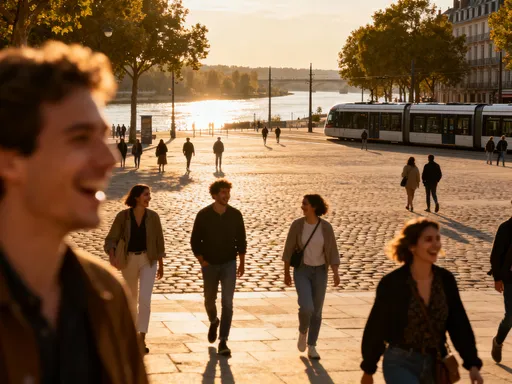
Walking through Nantes, I didn’t just see a city — I felt it. The squares buzz with laughter, the riverside paths pulse with energy, and every public space tells a story. I never expected such warmth from a French city often overlooked by travelers. Here, urban life isn’t planned — it’s lived. From morning markets to sunset strolls by the Loire, Nantes turns sidewalks into stages and parks into living rooms. This is public space done right: human, vibrant, and deeply inviting. Unlike the more formal elegance of Paris or the tourist-packed lanes of Nice, Nantes offers something different — a city that breathes with its people, where every corner feels accessible, alive, and full of quiet joy. For women in their thirties to fifties who seek meaningful travel — not just sightseeing, but connection — Nantes reveals how urban spaces can nurture community, creativity, and calm.
Arrival in Nantes: First Impressions of an Urban Tapestry
Stepping off the train at Nantes Station, visitors are met not with the usual urban clamor, but with a sense of ease. The city unfolds gently, welcoming newcomers with wide, tree-lined avenues and open plazas bathed in soft Atlantic light. There is no abrupt transition from transport hub to city center — instead, a seamless flow guides pedestrians into the heart of Nantes. This thoughtful entry sets the tone for what follows: a city designed not for speed, but for presence. Unlike other French metropolises where grand boulevards can feel imposing, Nantes’ streets invite exploration at a human pace. The architecture reflects this balance — 18th-century façades stand beside contemporary buildings, their styles harmonized by scale and material rather than contrast.
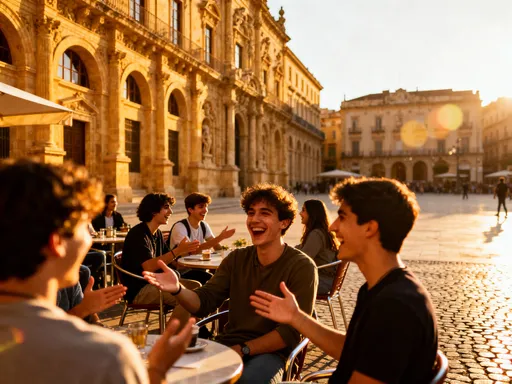
One of the first spaces that captures this spirit is Place du Bouffay, a historic square nestled in the old town. Cobblestones underfoot, centuries-old buildings rising on all sides, and the faint scent of freshly baked bread from a nearby boulangerie — the scene feels both timeless and alive. Locals gather at café terraces, children chase pigeons, and street musicians play softly in the background. What makes this space remarkable is not its size or grandeur, but its authenticity. There are no barriers between tourist and resident, between observer and participant. The square functions as a living room for the neighborhood, where daily life unfolds naturally. This integration of function and feeling is central to Nantes’ urban identity.
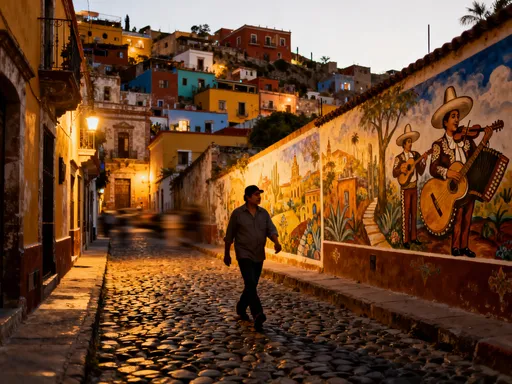
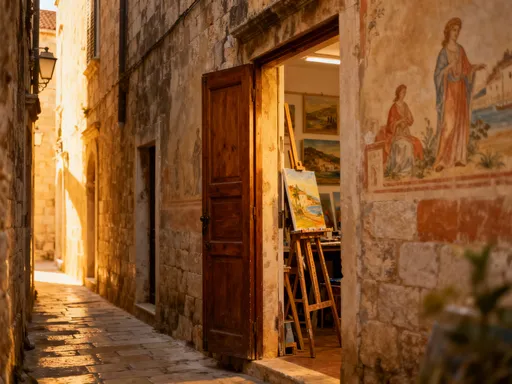
The surrounding alleys deepen the experience. Narrow passageways like Rue du Chapeau Rouge reveal hidden courtyards, artisan shops, and murals painted with whimsy and care. These micro-spaces encourage wandering without destination — a rare quality in modern cities, where every path often leads to a commercial node. In Nantes, getting lost is not a risk; it’s part of the pleasure. The city’s pedestrian-first design philosophy is evident in every detail: smooth paving, ample crosswalks, benches placed in sunny spots, and signage that guides without overwhelming. For families and older travelers alike, this attention to comfort and clarity makes the city feel safe, inclusive, and deeply considerate.
What stands out most in these early moments is the absence of pretense. Nantes does not perform for visitors. It does not rely on postcard-perfect monuments or curated experiences. Instead, it offers something more valuable: the chance to be part of ordinary life. A grandmother chats with a shopkeeper, a group of friends shares wine on a bench, a cyclist pauses to tie a shoe — these small, unscripted moments form the fabric of the city. For women who appreciate authenticity in travel — who seek destinations that feel real, not staged — Nantes delivers from the very first step.
The Heartbeat of Public Life: Les Machines de l’Île as Urban Catalyst
If Nantes has a creative soul, it beats strongest on Île de Nantes, home to Les Machines de l’Île. This imaginative complex, born from the city’s industrial past, has transformed a former shipyard into one of Europe’s most unique public spaces. At first glance, it seems like fantasy: a towering mechanical elephant emerges from the ground, its brass skin gleaming in the sun, steam gently rising from its trunk. Nearby, a carousel spins with fantastical sea creatures — a flying jellyfish, a walking ray, a deep-sea diver — each moving with slow, deliberate grace. These are not static sculptures, but living machines, powered by hydraulics and human curiosity.
Yet what makes Les Machines de l’Île truly special is not its spectacle, but its accessibility. Unlike traditional museums or theme parks, this space is free to enter and open to all. Families gather on the grassy banks to watch the Great Elephant take its daily walk, children press their faces against glass walls to see engineers at work, and couples stroll hand-in-hand along the viewing platforms. The Workshop Gallery, where the machines are built and maintained, operates in full view of the public. This transparency turns creation into performance, inviting visitors to witness the process, not just the product. It is a rare example of art, engineering, and community merging in a shared urban space.
The design of the site reinforces this inclusivity. Wide, flat paths accommodate strollers and wheelchairs, shaded areas provide relief on warm days, and informational panels are written in clear, engaging language. There are no velvet ropes, no timed entries, no premium tickets. The experience is democratic by design. This openness reflects a deeper philosophy: that culture should not be confined to elite institutions, but woven into the everyday life of the city. For women who value creativity and connection, Les Machines de l’Île offers a powerful reminder that imagination belongs to everyone.
Moreover, the site serves as a social anchor for the island itself. Once a neglected industrial zone, Île de Nantes has been revitalized around this cultural hub. Cafés, galleries, and public art installations now line the quays, drawing both locals and tourists throughout the year. Evening events, such as open-air concerts and light projections, animate the space after dark. The result is a destination that feels both magical and grounded — a place where wonder coexists with community. In an era when many cities struggle to balance tourism and authenticity, Les Machines de l’Île demonstrates how creativity can drive urban renewal without displacing local life.
Riverside Revival: The Loire and Erdre Banks as Social Spines
The rivers are Nantes’ lifeblood. The Loire, France’s longest river, and the Erdre, often called the “Venice of the West,” shape the city’s geography and spirit. Once dominated by shipping and industry, their banks have undergone a quiet revolution — one that prioritizes people over ports, leisure over logistics. Today, the waterfronts are vibrant public corridors, lined with cycling paths, floating gardens, and open-air cafés. They are not ornamental edges, but central arteries of social life.
Along the Loire, wide promenades invite walking, jogging, and cycling. The greenway network connects neighborhoods, making it easy to travel across the city without a car. In spring and summer, the banks come alive with picnickers, paddleboarders, and families flying kites. Floating gardens — artificial islands planted with native reeds and flowers — drift gently downstream, improving water quality while adding beauty. These ecological interventions are subtle but meaningful, reflecting Nantes’ commitment to sustainability without sacrificing enjoyment.
Seasonal events further animate the riverside. The Estuaire art trail, a contemporary sculpture route stretching from Nantes to Saint-Nazaire, places thought-provoking installations along the riverbanks. A giant concrete hand rises from the water, a mirrored cube reflects the sky, a suspended bridge invites contemplation. These works do not dominate the landscape; they dialogue with it, encouraging visitors to see the river in new ways. Summer festivals, such as the transatlantic music celebration Les Accords du Pin, bring live performances to the quays, drawing thousands to dance under the stars. These gatherings are not staged for tourists alone — they are community celebrations, open and inclusive.
The Erdre offers a different rhythm. Calmer and more intimate, its tree-lined banks are ideal for quiet reflection. Rowboats and electric shuttles glide across the water, offering peaceful views of historic châteaux and lush gardens. The annual Fête de la Vendange, a grape harvest festival, celebrates the region’s winemaking heritage with tastings, parades, and music. Here, tradition and modernity coexist — young couples sip wine on the grass, while elders play pétanque nearby. The riverbanks are not just scenic backdrops; they are stages for living culture, where generations connect through shared rituals.
This transformation from industrial zones to livable shores did not happen overnight. It resulted from decades of careful planning, community input, and environmental restoration. But the city avoided grand, disruptive projects. Instead, it focused on small-scale improvements: better lighting, more seating, safer crossings. These human-scaled changes made the rivers accessible and inviting. For women who seek destinations that balance beauty with practicality, the Loire and Erdre exemplify how nature and urban life can thrive together.
Green Spaces That Breathe: Jardin des Plantes and Petit-Port Park
In Nantes, parks are not afterthoughts — they are essential. Two of the city’s green jewels, Jardin des Plantes and Petit-Port Park, illustrate how public nature supports well-being and social connection. Jardin des Plantes, established in the 18th century, is one of France’s oldest botanical gardens. Its formal layout includes geometric flowerbeds, shaded alleys, and a greenhouse filled with tropical plants. But it is not a museum of flora. It is a living space, where morning runners weave through rose gardens, children chase butterflies, and retirees read on wooden benches. The garden’s biodiversity — over 10,000 plant species — is matched by its social diversity.
What sets Jardin des Plantes apart is its programming. Throughout the year, it hosts open-air concerts, botanical workshops, and family-friendly exhibitions. In summer, a small stage hosts classical and jazz performances, drawing audiences who bring blankets and picnics. These events are free, ensuring access for all. The garden also serves educational purposes, with guided tours explaining plant conservation and sustainable gardening. For families, this blend of beauty and learning makes it a cherished destination. For older visitors, the calm atmosphere offers a peaceful retreat from urban bustle.
Petit-Port Park, in contrast, is a modern creation. Built on a former industrial site, it showcases contemporary landscape design. Rolling meadows, a large pond with ducks and swans, and a dedicated play area for children make it a favorite for families. A network of trails connects it to the riverfront, encouraging walking and cycling. The park’s layout promotes discovery — winding paths, hidden clearings, and viewpoints over the Loire invite exploration. Unlike rigidly structured parks, Petit-Port feels organic, as if it grew naturally from the land.
Both parks share a commitment to inclusivity. They are free to enter, centrally located, and accessible by public transport. Benches are plentiful, restrooms are clean, and signage is clear. These details matter, especially for women traveling with children or older relatives. The city understands that comfort enables participation. When people feel welcome and safe, they stay longer, engage more, and form deeper connections with the place. In this way, green spaces become more than scenic spots — they become social infrastructure, fostering wellness and belonging.
Plazas with Personality: From Market Squares to Cultural Hubs
Public squares in Nantes are not generic plazas — each has a distinct identity. Place Royale, once a symbol of royal power, has evolved into a democratic gathering space. Its central fountain, surrounded by cafés and bookstalls, becomes a stage for impromptu events — a guitarist playing folk songs, a group practicing tai chi at dawn, students debating over coffee. The square’s symmetry and grand architecture could make it feel formal, but the city has softened its edges. Benches are arranged informally, trees provide shade, and the open center invites play and performance.
Just a short walk away, Marché de Talensac offers a different energy. This indoor-outdoor food market pulses with sensory richness — the smell of fresh cheese, the sound of butchers calling orders, the sight of colorful produce arranged in perfect pyramids. Locals come daily to shop, turning the market into a social ritual. Vendors know their customers by name, exchange news, and offer cooking tips. For visitors, it is a window into daily life. The market’s design supports interaction: narrow aisles encourage slow movement, counters are low enough for conversation, and seating areas allow people to linger with a coffee or sandwich.
These squares demonstrate how design shapes behavior. Fountains, lighting, and seating are not mere decorations — they are tools for connection. A well-placed bench encourages rest and conversation; soft lighting extends usability into the evening; a central feature like a fountain or sculpture becomes a meeting point. In Nantes, such details are carefully considered. The city avoids sterile, empty plazas. Instead, it creates spaces that invite use, adapt to needs, and reflect local character. This responsiveness fosters a sense of ownership — residents don’t just use these spaces; they feel they belong to them.
The adaptability of these squares is key. They host farmers’ markets on weekends, political rallies during elections, and dance festivals in summer. This flexibility shows a city that values spontaneity as much as order. For women who appreciate destinations that feel alive and responsive, Nantes’ plazas offer a model of urban vitality rooted in community.
Mobility and Access: How Getting Around Enhances Experience
A city’s public life depends on how easily people move through it. Nantes excels in this regard, offering a seamless, integrated transport system that prioritizes pedestrians, cyclists, and public transit. The tram network, one of the first modern tramways in France, is clean, reliable, and beautifully designed. Its sleek trams glide silently through the city, connecting major parks, cultural sites, and residential neighborhoods. Unlike crowded subways, the trams feel spacious and calm — a moving extension of public space.
Each tram line is color-coded and clearly marked, making navigation intuitive. Stops are equipped with real-time arrival screens, shelters, and tactile paving for accessibility. The system integrates with buses, bikes, and walking paths, allowing effortless transfers. For families with strollers or travelers with luggage, this connectivity reduces stress and increases freedom. The city’s commitment to low-car zones and traffic-calmed streets further enhances safety and comfort. In the city center, vehicle speeds are limited, crosswalks are frequent, and pedestrian zones are expanding.
Cycling is equally supported. Over 300 kilometers of bike lanes crisscross the city, many separated from traffic. Bike-sharing stations are abundant, and rental options include models with child seats and cargo baskets. This infrastructure encourages everyday use — not just by athletes, but by parents, workers, and older adults. The result is a city where getting around feels natural, not arduous. When mobility is easy, more people participate in public life. Children walk to school, grandparents visit parks, friends meet for coffee — all without needing a car.
This accessibility is not accidental. It reflects a long-term vision of urban equity. By designing for the most vulnerable — children, seniors, people with disabilities — the city ensures that public space is truly for everyone. For women who value safety, convenience, and inclusivity, Nantes’ mobility network offers a quiet but powerful form of empowerment.
The Nantes Model: Lessons in Human-Centered Urban Design
What makes Nantes exceptional is not any single landmark, but a philosophy. For decades, the city has pursued a quiet revolution — one that places people at the center of urban design. It does not chase grand monuments or global fame. Instead, it invests in everyday spaces: sidewalks, benches, bike lanes, parks, markets. These may seem small, but together they create a city that feels open, warm, and deeply livable.
The Nantes model teaches that urban vitality comes from empathy, not spectacle. It shows that sustainability is not just about technology, but about human behavior. By reducing car dominance, expanding green spaces, and supporting local culture, the city has built resilience without sacrificing charm. Its approach is replicable — not through massive funding, but through consistent, people-first decisions.
For women who seek travel that nourishes the spirit, Nantes offers more than sights — it offers insight. It reminds us that the best cities are not those that impress, but those that embrace. A bench in the sun, a market full of laughter, a riverbank at dusk — these are the moments that stay with us. In Nantes, such moments are not rare. They are woven into the daily rhythm, waiting to be lived. This is not just a city to visit. It is a city to feel.